Is Remote Viewing and Mobile Access Included with the System? Remote Access & Remote Viewing Guide
Remote viewing technology has evolved significantly, offering users the ability to manage and monitor their security systems effortlessly. At the core of this technology is the integration of IP cameras and CCTV, which are often connected through advanced systems to provide clear, real-time video footage. These systems typically support various devices, including computers, phones, and tablets, enhancing their accessibility and usability. Through the use of specialized apps, such as RealVNC Connect, users can effortlessly access their security feeds on mobile devices, ensuring they are always connected to their premises, even on the go. One of the standout features of modern remote viewing is its capability to offer cloud storage options, allowing users to store video securely and access it from virtually anywhere. This feature not only provides a backup for critical footage but also makes sharing video with other resources straightforward when needed for security purposes. Moreover, the integration of advanced monitoring software ensures that users receive notifications and alerts in real time, allowing them to react promptly to any unusual activity. The connection between devices and cameras is seamless, providing a hassle-free remote access experience. Security has never been more adaptable with these technologies, as they allow a comprehensive overview of any location, providing peace of mind whether one is monitoring a single-family home or a multi-location business setup. Utilizing systems that support smart connectivity is crucial, as it enhances the effectiveness of the remote viewing experience, making it easier to manage security cameras and related devices. Advanced security systems also enable users to customize their monitoring settings, providing flexibility in how and when they receive alerts, which can be tailored to fit the user’s specific needs and preferences. The integration of AI capabilities is another emerging feature, offering intelligent analysis of video footage to alert users of any suspicious activities or anomalies, significantly reducing the need for constant manual oversight. Overall, these key features make remote viewing technology indispensable for anyone looking to maintain robust security measures across different environments.
How Remote Access Enhances System Connectivity
Remote access has become a cornerstone in enhancing connectivity, offering seamless integration between devices and systems. It provides the capability to monitor and control environments from afar, ensuring consistent surveillance and security management. This integration is largely facilitated by advanced access software, which connects various components for uninterrupted communication. As users become increasingly reliant on mobile and desktop solutions, having robust remote access is crucial. Explore how specialized access software and integrated systems create a more cohesive security framework, allowing for efficient monitoring and simplified management of smart home or business environments.
Access software plays a vital role in establishing the connectivity that is pivotal for efficient remote access. It acts as a bridge between devices, systems, and users, enabling seamless communication and management. Software like RealVNC Connect is specifically designed to facilitate this interaction, ensuring a reliable and stable connection across various platforms. Such software allows users to connect to their systems remotely, leveraging secure protocols to protect sensitive data and information. Security is a primary concern when it comes to remote access, and access software is instrumental in maintaining it. By using encrypted connections and multi-factor authentication, these programs ensure that only authorized users can view and manage security systems. Additionally, access software supports video streaming, providing users with live feeds from their security cameras. This real-time monitoring capability is vital for immediate response to any unusual activity detected on the premises. The convenience offered by access software is another significant benefit. With the integration of mobile and desktop platforms, users can connect from virtually anywhere using their phones or computers. This flexibility is crucial in today’s fast-paced environment, where physical presence is not always possible. By offering hassle-free remote access, individuals can keep tabs on their homes or businesses without being tied to a single location. Monitoring systems have also seen enhanced functionality thanks to access software. The use of cloud-based services enables storage of video footage, allowing users to access critical information whenever needed. This cloud integration ensures that important data is not lost and can be shared across devices seamlessly. Furthermore, the accessibility of monitoring systems is enhanced, as users receive instant alerts and notifications about potential security breaches. The role of access software extends to the provision of comprehensive support for different device types. Whether it’s a smartphone, tablet, or desktop computer, access software ensures that users have a consistent experience across all devices. This uniformity is crucial for maintaining effective surveillance and monitoring. With advances in software development, the future of remote access promises even greater integration with emerging technologies like AI and machine learning, providing smarter and more predictive security solutions.
Integrating remote computer systems is essential for achieving seamless access that enhances security and monitoring capabilities. This integration involves connecting various devices and technologies to create a cohesive system that operates efficiently across multiple platforms. Central to this is the use of cutting-edge technologies and software designed to support remote system access. One of the core components of this integration is the network infrastructure, which must be robust enough to support constant data flow and communication between devices. High-speed internet and reliable network connections are foundational, ensuring that information is transmitted without delays or disruptions. This network support enables users to manage and monitor their systems in real time, regardless of their physical location. Security cameras play a significant role in this setup, feeding video footage to users through well-integrated systems. They offer a clear view of the monitored environment, translating into better security outcomes. Technologies such as RealVNC Connect help bridge the gap between these cameras and the user’s devices, enabling direct communication with minimal latency. As a result, users can view live streams or review recorded footage effortlessly, thanks to integrated remote access systems. The integration doesn’t stop at video monitoring; it’s also about creating a smart home environment where different systems work collaboratively. For instance, integrating lighting, alarms, and other smart home devices enhances the overall security ecosystem. By allowing these systems to communicate with one another, users can set up automated responses to certain triggers, such as turning on lights when motion is detected or sending alerts when security cameras capture unusual activity. Moreover, software upgrades are crucial for maintaining security and functionality in remote systems. Regular updates ensure that the latest security patches and features are in place, protecting against potential vulnerabilities. This ongoing support is integral for users who depend on hassle-free remote access to manage their systems efficiently. The use of cloud services further supports remote computer system integration. By storing data securely in the cloud, systems can provide users with the ability to access information from any connected device, facilitating a seamless experience. The integration of these capabilities within a coherent remote access framework is essential for providing intuitive and effective security solutions that cater to the dynamic needs of users across diverse environments.
To further illustrate the pivotal functions of access software, here are key features and benefits that enhance remote connectivity and security:
- Real-time encryption ensures data integrity during remote access, safeguarding sensitive information from unauthorized breaches.
- Multi-factor authentication adds an extra layer of security, reducing risks of unauthorized access in distributed networks.
- Seamless integration with existing IT infrastructure, ensuring minimal disruption and smooth deployment in diverse environments.
- Adaptive bandwidth management optimizes remote connections, maintaining consistent performance even under varying network conditions.
- Intuitive user interfaces facilitate ease of use, empowering users to manage remote systems efficiently and effectively.
- Advanced auditing capabilities provide detailed logs of access and activity, enhancing accountability and traceability.
- Cloud-based solutions enable scalable access, meeting dynamic demands without compromising on security protocols.
- AI-driven threat detection monitors anomalies in real-time, proactively preventing potential security threats.
Exploring Remote Video Capabilities
Dive into the dynamic world of remote video capabilities, where advanced features enhance security systems and support effective monitoring needs. As technology evolves, so do the methods of ensuring safety and convenience through remote video solutions. From utilizing smart mobile access to integrating sophisticated monitoring systems, these capabilities redefine how we connect with and view security setups. Discover how remote video integration not only supports but revolutionizes current surveillance systems, offering users unparalleled flexibility and control over their security environments.
In the realm of modern security, advanced remote video features play a pivotal role in safeguarding premises and ensuring peace of mind. These features are designed to offer comprehensive solutions that go beyond basic surveillance, integrating with existing systems to enhance their capabilities. One of the standout features is the ability to utilize smart technologies, such as AI and machine learning, to provide intelligent analysis of video footage. This technology enables security cameras to identify potential threats and anomalies in real time, drastically improving the response times and effectiveness of security measures. Moreover, remote video systems now incorporate mobile access as a central feature, allowing users to manage their security systems from anywhere using their mobile phones or other connected devices. This approach ensures that users have immediate access to live streams or recorded footage, providing an adaptable and responsive security solution. With dedicated apps, users can seamlessly connect to their surveillance system, view their cameras from afar, and receive instant notifications in the event of unusual activity. Cloud-based storage solutions further enhance security, offering a robust backup for video footage that can be accessed whenever needed. This not only protects valuable data but also provides a convenient method for sharing information with law enforcement or other stakeholders if required. Cloud integration ensures that even if a physical device is compromised, the data remains protected and accessible. The connectivity support offered by advanced remote video features is also crucial. Utilizing reliable internet and network infrastructures, these systems ensure a seamless connection between devices and users. This interconnectedness allows for continuous monitoring and effective management of the security environment, providing users with a comprehensive view of their surroundings at any time. Security cameras are no longer just passive observers; with remote video features, they become active participants in the security ecosystem. The ability to customize settings means users can tailor their surveillance systems to meet specific needs, such as setting motion detection parameters or adjusting alert schedules. These customizations maximize security effectiveness while minimizing false alarms, ensuring users are only notified when genuinely necessary. Additionally, the integration of smart home devices offers users the ability to create a unified security network. Security systems that sync with other smart devices can automate responses to potential threats, such as triggering alarms or lighting when suspicious activity is detected. This level of integration not only enhances security but also provides a proactive means of deterring potential intrusions. Overall, advanced remote video features are essential for anyone looking to enhance their security systems. By leveraging smart technologies, mobile accessibility, and cloud-based solutions, these systems provide users with a robust and reliable method for monitoring and securing their environments.
Remote video integration is fundamentally transforming how monitoring is conducted in both residential and commercial settings. The integration of remote video capabilities into security systems addresses multiple aspects of modern surveillance, focusing on thorough and effective monitoring of diverse environments. At the heart of this integration is the seamless connection between remote access and on-the-ground security systems, enhancing their operational efficiency and user-friendliness. A key component of remote video integration is the implementation of software like RealVNC Connect, which facilitates remote viewing across various devices. This software bridges the gap between users and their security feeds, making it possible to access live video footage and recorded content from virtually anywhere. Its compatibility with multiple platforms ensures users can connect via mobile phones, tablets, and computers, providing a consistent and flexible experience regardless of the device used. The structural design of integrated systems supports real-time monitoring, which is critical for timely responses to any incidents. These systems are often equipped with enhanced video features that support high-definition video streaming and detailed footage analysis. As such, security cameras integrated within the systems offer clear, uninterrupted views, which are crucial for accurate monitoring and assessment of any given situation. Cloud storage solutions play a pivotal role in supporting remote video integration by providing secure, scalable storage options for video data. This guarantees that critical footage is available for review whenever needed, without the risk of data loss associated with physical storage devices. Furthermore, cloud-based systems enable easy management of video archives, allowing users to quickly sort through footage and identify pertinent information, significantly enhancing the overall monitoring process. The integration of video monitoring systems extends beyond simple viewing capabilities. Remote video technology facilitates advanced functionalities such as customizable alerts, which notify users of specific events on their premises. This proactive approach ensures that security personnel are made aware of potential issues as they arise, enabling quicker resolution and minimizing potential damages. Additionally, these systems are designed with scalability in mind, meaning they can be expanded to include additional cameras and devices as necessary, accommodating growth and changing security needs over time. The ability to integrate additional features, such as thermal imaging or night vision capabilities, further enhances the adaptability and effectiveness of these systems in varied conditions. Importantly, remote video integration supports the broader concept of comprehensive surveillance by enabling different security components to communicate efficiently. For instance, integration can automate processes such as locking doors or activating alarms in response to camera-detected threats, creating a cohesive and proactive security environment. By ensuring that all components of a security system work in tandem, remote video integration effectively strengthens the monitoring capabilities and overall security posture of a facility. Ultimately, remote video integration offers a holistic approach to monitoring needs, empowering users with sophisticated tools to safeguard their environments effectively. By combining advanced video technology, mobile accessibility, and cloud integration, these systems provide an unparalleled level of oversight and control, ensuring that users can rely on their security infrastructure to protect their assets comprehensively.
| Feature/Functionality | Description | Benefits | Technological Components |
|---|---|---|---|
| Real-time Video Streaming | Delivers live video feed from security cameras to remote devices. | Enables immediate awareness and response to incidents as they occur. | IP cameras, High-speed internet connectivity, Streaming protocols |
| Remote Access and Control | Allows authorized users to access and control surveillance systems from any location. | Facilitates oversight and management without the need to be onsite. | Cloud-based platforms, Mobile applications, Secure user authentication |
| Advanced Video Analytics | Employs algorithms to analyze video footage for specific patterns or activities. | Enhances threat detection and reduces false alarms through intelligent insights. | Artificial Intelligence, Machine Learning, Data processing tools |
| Integration with IoT Devices | Connects video surveillance systems with other smart devices for cohesive security networks. | Creates a comprehensive security ecosystem capable of proactive measures. | IoT sensors, APIs, Interoperability protocols |
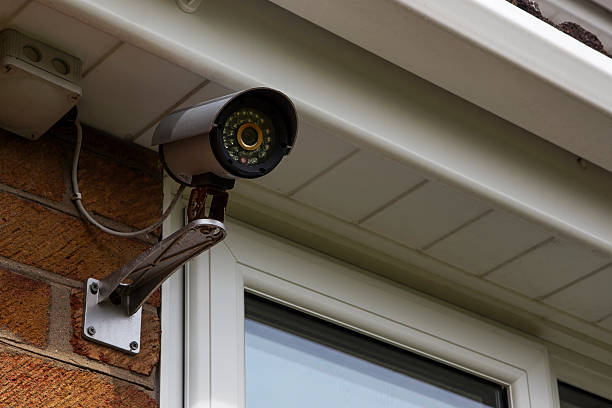
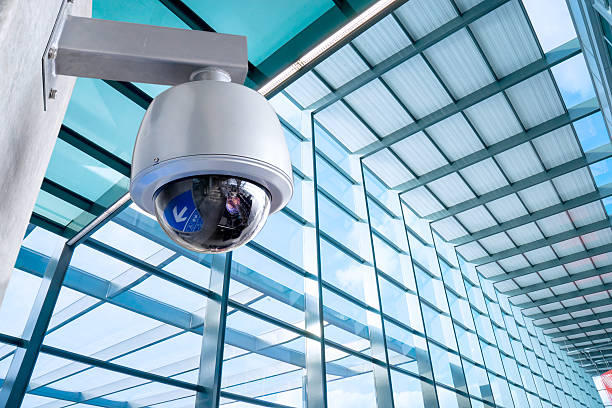
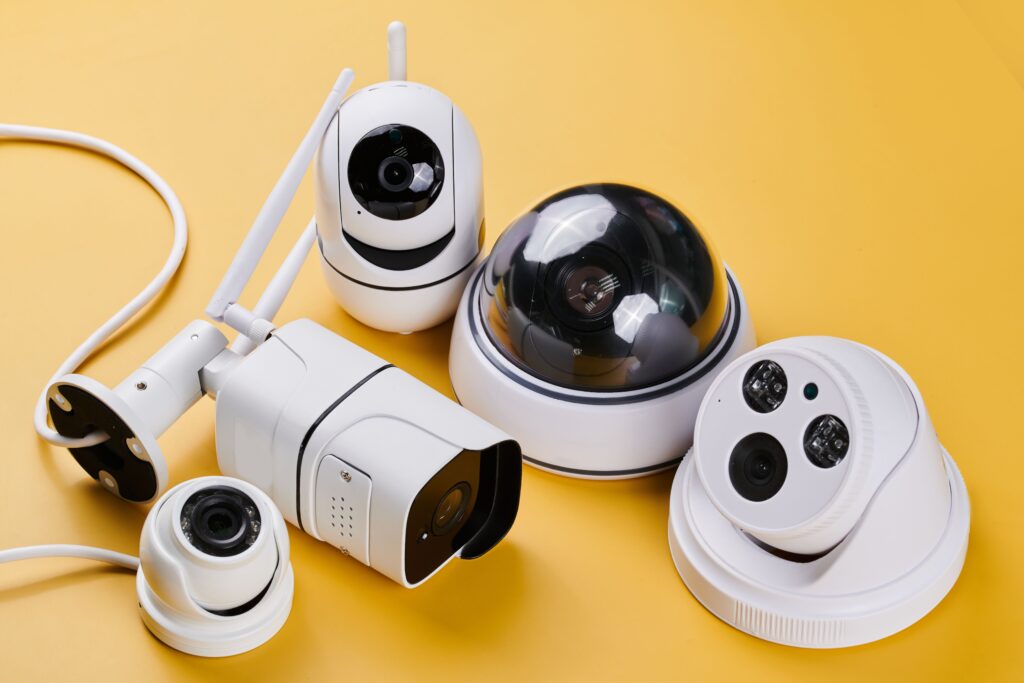
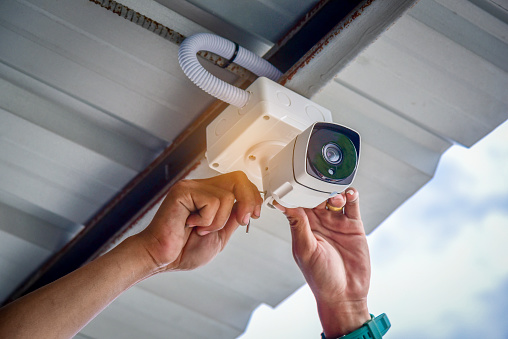
Setting up remote camera viewing options is essential for anyone seeking efficient and comprehensive surveillance. Today’s security systems offer a range of options that allow users to connect their cameras to mobile devices and computers, providing a smart solution for constant monitoring. The first step in this process involves selecting the appropriate security cameras that offer compatibility with remote access capabilities. Many modern cameras come equipped with features designed to integrate smoothly with various systems, simplifying the setup process. Security cameras like IP and smart cameras are popular choices due to their advanced features that support remote monitoring via dedicated mobile apps and computer software. These technologies enable users to view security feeds in real-time or access recorded footage, providing an adaptable and user-friendly experience. To get started, users must select a camera system that includes app compatibility, allowing for convenient connections through smartphones, tablets, and computers. Next, you will need to install the security cameras in optimal locations where they can capture the necessary areas effectively. This often means placing cameras high enough to have a broad view and in locations that cover entry and exit points, storage rooms, or any other areas requiring oversight. Ensuring proper installation is crucial for effective monitoring, as well-positioned cameras provide clear and unobstructed views essential for surveillance. Once the physical setup is complete, it’s vital to configure the remote access settings. This typically involves connecting the cameras to a network, enabling remote viewing options through settings provided by the camera’s mobile app or computer software. Proper network connectivity is crucial; thus, ensuring a strong and stable internet connection is paramount to prevent any interruptions in the video feed. Additionally, configuring the system to use secure protocols and encryption helps maintain security, protecting the video feeds from unauthorized access. Moreover, integrating cloud storage solutions is an excellent way to safeguard important video data. By storing footage on the cloud, users ensure that critical surveillance records are preserved, even in the event of physical system damage or data breaches. This accessibility also means that videos can be accessed remotely, anytime and from any location, enhancing the flexibility of the monitoring system. Customization options within the app or software are also beneficial, allowing users to tailor alerts and notifications to specific needs. For instance, alarms can be set to trigger based on motion detection or specific times of day, providing a proactive means of monitoring. These settings enable users to respond quickly to any security threats without needing to constantly monitor live feeds. By effectively setting up remote camera viewing options, users enhance their capability to monitor and secure premises comprehensively. This advanced integration of mobile access, cloud technology, and smart systems provides a robust and flexible tool for managing security from virtually anywhere. Utilizing these technologies not only ensures effective surveillance but also helps maintain peace of mind by keeping critical areas under continuous watch.
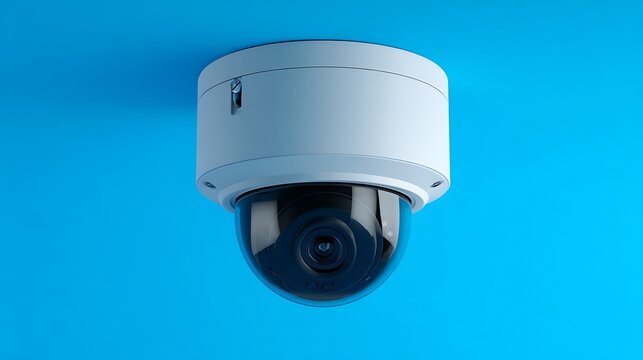
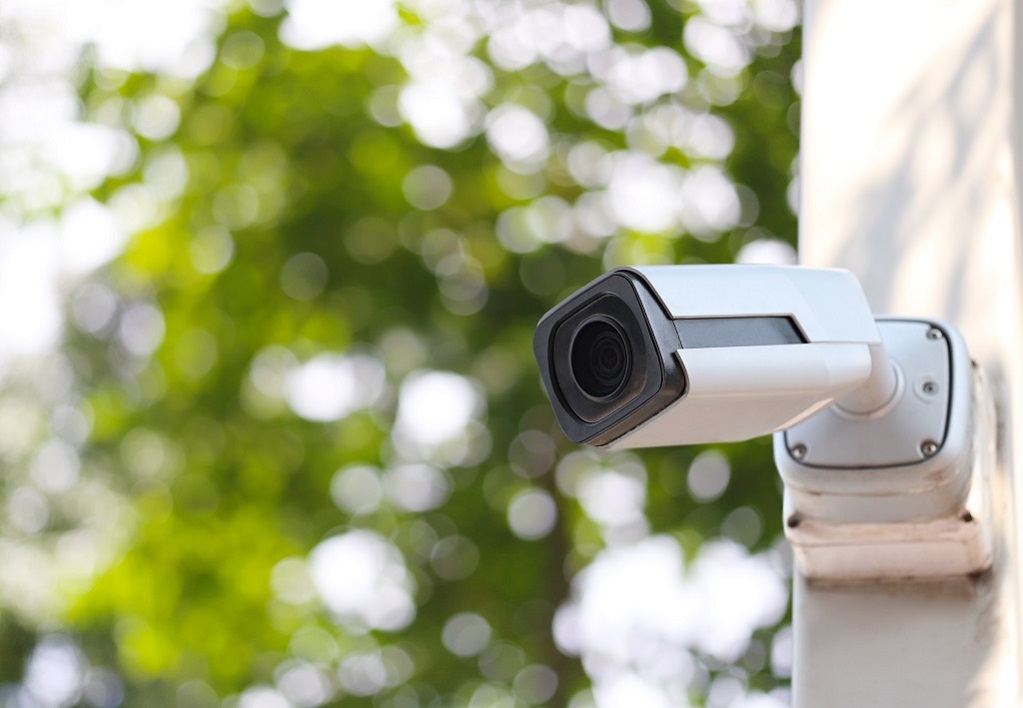

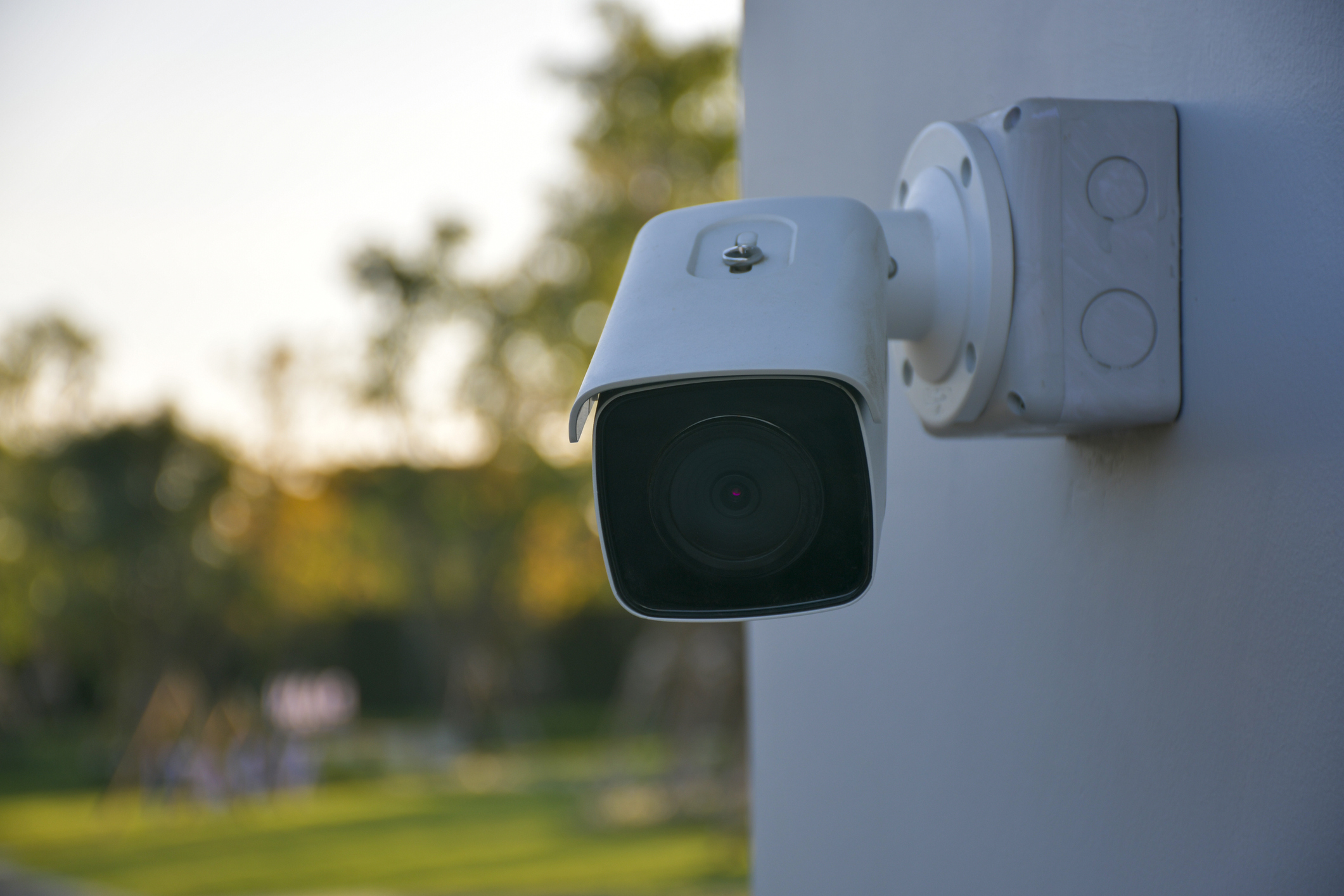
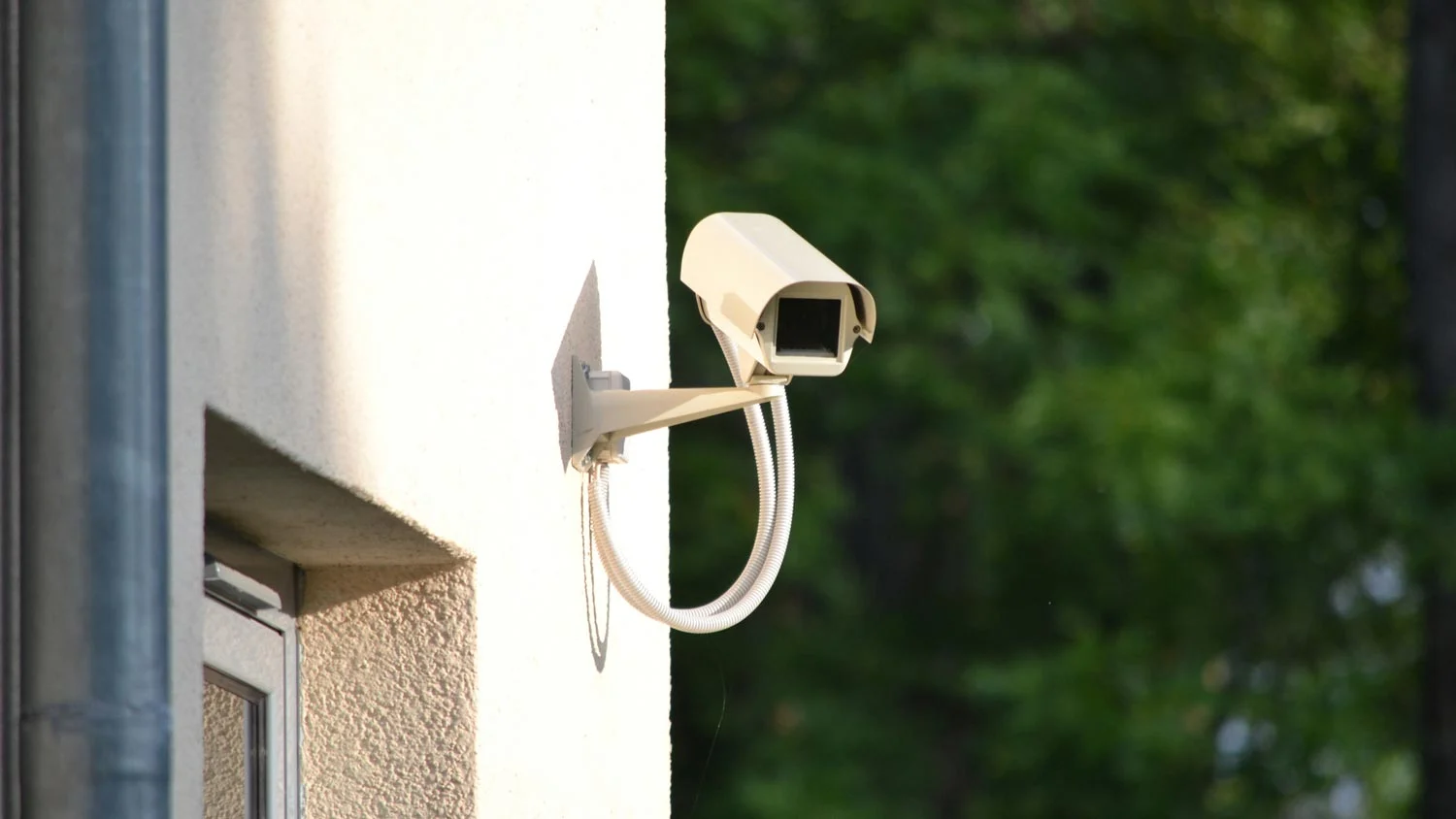
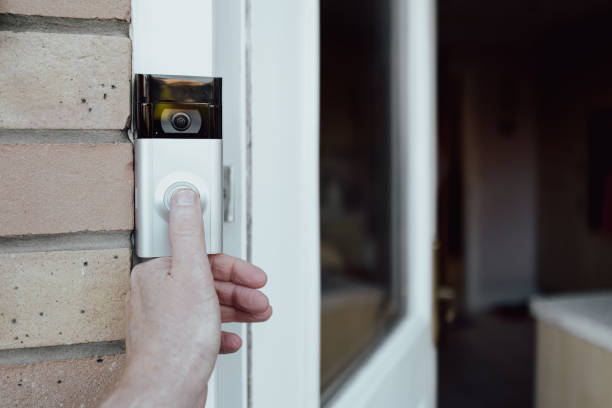
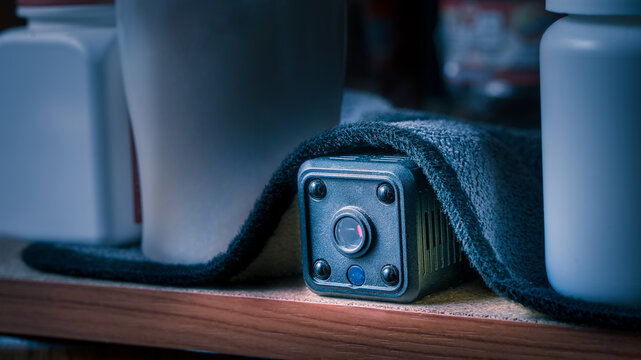
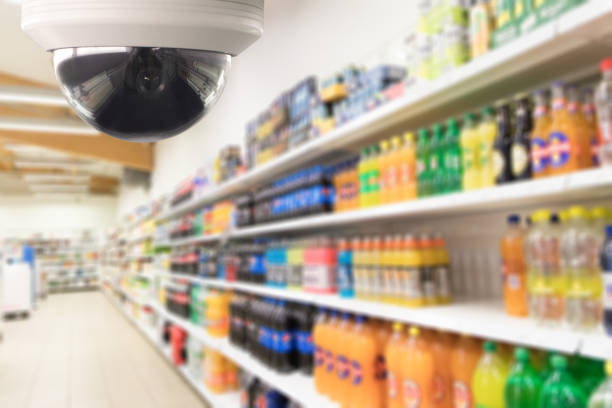
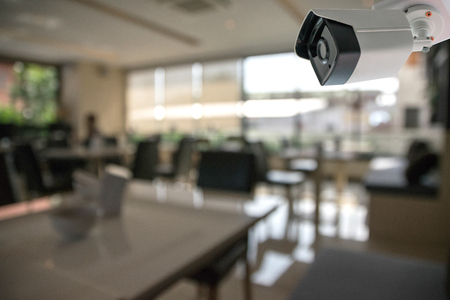
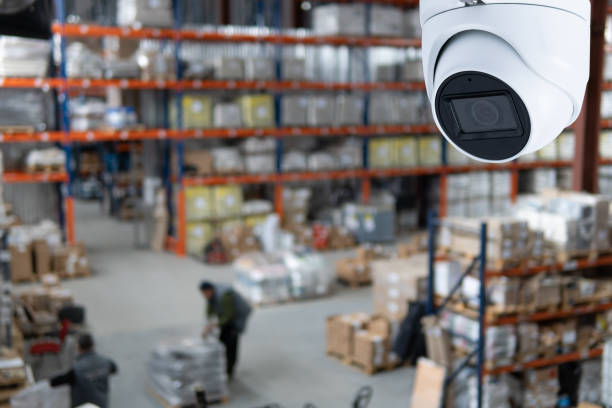
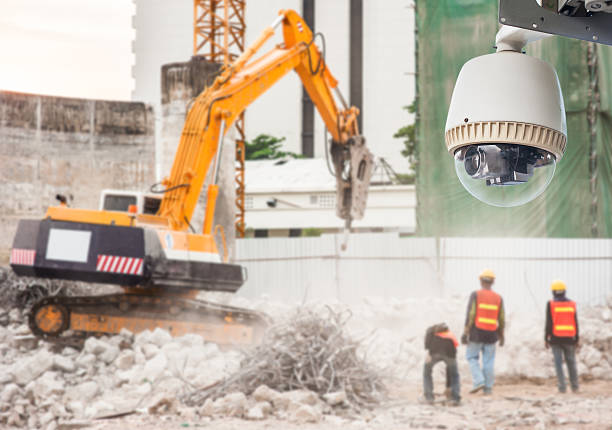
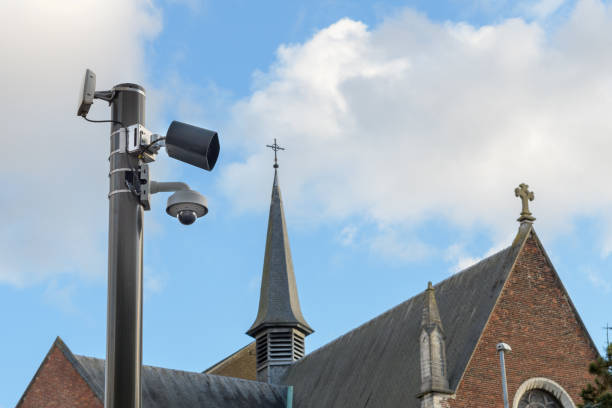
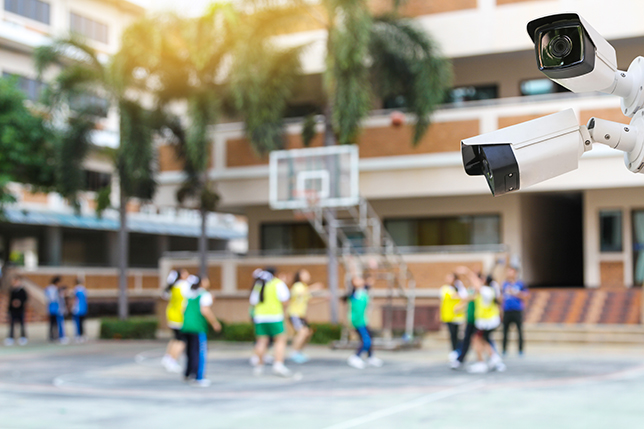
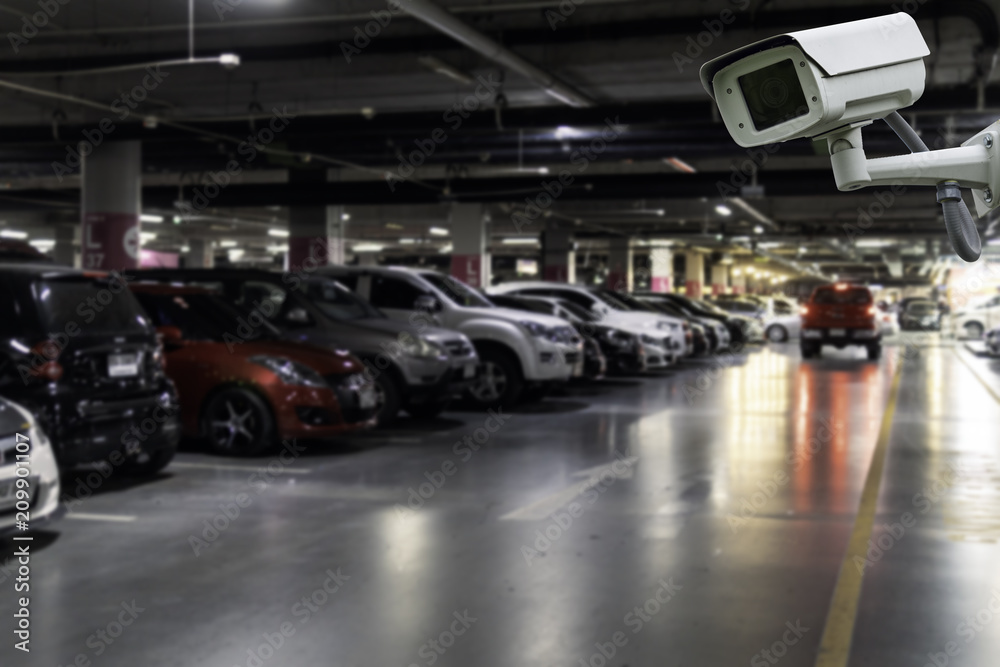
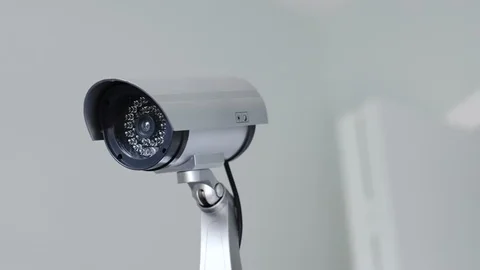
In conclusion, the system’s robust capability to support remote viewing and mobile access is a significant benefit for users seeking flexibility and control. Whether you’re at home or on the go, this system ensures seamless access to vital information anytime, anywhere, enhancing overall productivity and security. The cameras also feature night vision for reliable monitoring in low-light and nighttime conditions, ensuring continuous visibility and protection around the clock. The ease of mobile integration stands out as a key feature, offering a user-friendly interface and reliable connectivity. Embrace this advanced technology to stay connected and in control, meeting the dynamic needs of modern life with ease and efficiency.
frequently Asked Questions
Request a Free Quote
Get a fast, no-obligation quote customized to your security needs. Our experts are ready to help you protect your home or business.
- ✔ Free consultation
- ✔ Custom security solutions
- ✔ Residential & Commercial services