Are Motion Detection and Alert Notifications Supported: Understanding Motion Detection and Alerts
Motion sensors are at the heart of robust security systems, offering a proactive means to detect motion and respond accordingly. These sensors use a variety of technologies, such as passive infrared, ultrasonic, and microwave, to sense movement. Once they detect motion, these devices can signal cameras or alarm systems to activate, capturing footage or alerting homeowners to potential threats. This immediate response is crucial for ensuring that any suspicious activity is addressed swiftly and effectively. For instance, in a typical home security setup, motion sensors are strategically placed around entry points such as doors and windows. When a sensor detects motion, the system can automatically activate cameras and notify homeowners through alert notifications. This integration of motion detection with alerts is a key feature that enhances the reliability and efficiency of modern security systems. By providing real-time updates and visual verification through cameras, these systems ensure that users can respond to events as they happen. Thus, motion sensors not only enhance physical security but also deliver peace of mind, knowing that any potential security breach is closely monitored and managed.
Key Features of Motion Detection Systems
Motion detection systems provide unparalleled security by incorporating advanced motion sensors and camera technology. By detecting movement in designated areas, these systems can trigger alerts, keeping homeowners informed of any unusual activities. This surveillance enhancement is a key feature in modern security, allowing users to receive alerts swiftly and take immediate action. Alert notifications are essential in transforming motion detection from a mere sensor-based mechanism to an interactive and responsive security system. Understanding the workings of motion alerts and notifications can significantly enhance the efficiency and utility of these systems, providing a comprehensive security experience.
Motion alerts and notifications play a crucial role in keeping users promptly informed about potential security threats. When a system detects motion, it utilizes integrated technology to send alert notifications through various channels, such as a smartphone push notification. This prompt update is vital for users who need to take quick actions or verify the movement detected through cameras, thus maintaining vigilance. The device’s feature ensuring seamless connectivity is key to receiving alerts efficiently. These alert notifications are not only informative but also interactive, often allowing users to check live feeds or playback video footage through linked apps. Moreover, the setup for receiving alerts can be tailored to suit specific needs. For instance, users can adjust sensitivity levels in their system’s settings to fine-tune how and when they are notified based on detected motion. This customization is part of key features that adapt to varied security requirements, ensuring the alerts users receive are relevant and actionable. Overall, the efficacy of an alert push mechanism lies in its ability to deliver timely and accurate information, empowering users with the tools needed to enhance their security setup effectively.
To enhance security and improve user experience, consider these strategies for customizing alert push preferences:
- Enable multi-factor authentication for an added layer of security.
- Allow users to set preferred alert times to avoid disruptions.
- Offer options for critical alerts to ensure necessity and prevent fatigue
- Provide customization for alert tone and volume for immediate recognition.
- Implement location-based alerts to deliver relevant information promptly.
- Include an opt-out option for non-essential notifications.
- Facilitate easy alert preference updates through an intuitive interface.
Enhancing Security with Motion Notifications
Enhancing security through motion notifications is pivotal in today’s interconnected world, providing immediate awareness of unusual activities in monitored areas. Motion alerts serve as indispensable tools in the arsenal of modern security systems, ensuring timely notifications that enable prompt responses. These push notifications integrate seamlessly with various security setups, allowing users to receive alerts directly on their devices whenever motion is detected. In this way, motion detection is transformed from a passive measure into an active and interactive alert system. Let’s explore how leveraging these alert notifications can lead to better immediate responses and more robust security.
Motion alerts are crucial for ensuring a swift response to detected motion, significantly enhancing security protocols. When motion detection sensors identify movement, they trigger instant alert notifications, sent as push notifications to the user’s connected devices. This immediate notification system is vital for those who need to act quickly, whether to verify false alarms or respond to genuine threats. By receiving alerts in real time, users can access live video feeds or recorded footage, allowing a quick assessment of the situation. This capability to receive alert notifications promptly is instrumental in preventing potential security breaches and keeping property protected.
Furthermore, customizing how these notifications are presented enhances their utility. Users can choose to be notified through sound, vibration, or visual cues, which aids in prioritizing alerts based on their urgency. This customization ensures that alerts are not just informative but actionable, catering to different user needs and security environments. For example, sensitive areas can be set to notify any detected motion immediately, whereas less critical zones might be programmed to notify only during specific hours. By optimizing these settings, users streamline their security systems, minimizing unnecessary alerts while maximizing responsiveness to real threats. Thus, motion alerts become more than just notifications, they become a dynamic, pivotal component of a proactive security strategy.
Integrating motion detection into your security setup offers significant advantages over traditional methods. Unlike conventional security systems that depend on continuous human monitoring, motion sensors automatically detect movement in designated areas. This proactive detection reduces the need for constant oversight, enhancing security by alerting you immediately when motion is detected. The advantage of having these alerts is paramount to ensuring a swift response to potential threats. Modern motion detection systems feature advanced sensors that perform reliably under various conditions, ensuring the consistency of detection and reducing false alerts. Moreover, the integration of real-time alert notifications enhances users’ ability to respond quickly, minimizing the risk of security breaches.
Furthermore, the ability to customize alert settings allows users to fine-tune how and when they’re notified of detected motion, significantly improving the system’s overall efficiency. This level of customization empowers users to adapt their systems to specific security needs. By utilizing features such as adjustable sensitivity and scheduled alert notifications, users create a flexible security solution that traditional methods cannot offer. Ultimately, integrating motion detection and alerts not only improves the reliability of security systems but also provides peace of mind by ensuring that notifications are timely and pertinent. In a world where security threats are constantly evolving, embracing this technology leads to a more responsive and robust defense strategy.
Troubleshooting Motion Detection Issues
Understanding how to troubleshoot motion detection problems is essential for maintaining an effective security setup. Issues with motion alerts and notifications can disrupt your ability to swiftly respond to potential threats. Ensuring reliable functioning of detection and alert systems involves analyzing possible faults and optimizing setups for better performance. This section will guide you on ensuring reliability in alert notifications, help identify common detection issues, and reveal strategies to enhance system functionality. Addressing these key areas will bolster your system’s efficacy, offering peace of mind through improved vigilance and rapid response capabilities.
Ensuring reliable alerts and notifications in your security system hinges on several critical factors. The most common issue users face is a lack of timely notifications, often due to connectivity problems or improper system configuration. To ensure alert notifications are reliable, it’s important to regularly check the internet connection. A robust connection prevents delays in push notifications and ensures that motion notifications reach your device without interruption. Additionally, adjusting notification settings within the security app can greatly enhance alert reliability. Configure the settings to suit your needs; for example, increase or decrease sensitivity to avoid false alarms or missed motion alerts. This customization is key to improving notification accuracy and ensuring that alerts are both relevant and timely. Another tip is regularly updating the software of your security devices. Firmware updates often contain fixes and improvements that enhance the system’s overall reliability. By staying current with these updates, users ensure their systems remain efficient and responsive, minimizing the chances of overlooked or delayed alerts. Finally, integrate a backup communication method, such as cellular data, to ensure that notifications can still be delivered even if the primary connection fails. By addressing these factors, users can significantly improve the reliability of their alert notifications, ensuring they are always notified of potential security threats in a timely manner.
Optimizing Your Alert System Settings
Getting the most out of your security solution often depends on how you optimize your alert system settings. Tailoring settings like sensitivity ensures motion detection alerts are both reliable and relevant. When you fine-tune these elements, you’re not only improving the accuracy of motion detection but also enhancing your response capabilities to potential threats. An optimized system can significantly reduce false alarms and ensure important notifications are never missed. We’ll delve into how adjusting sensitivity can lead to more accurate detection and better alert notifications for your security systems.
The process of adjusting sensitivity in your device settings is essential for achieving accurate detection, directly impacting the effectiveness of your alert notifications. Setting the sensitivity too high can lead to an increased number of false alarms, such as those triggered by small animals or environmental changes, while too low can result in missed alerts for genuine security threats. Optimize your motion detection system by calibrating sensitivity settings in sync with your environment’s demands. This ensures that when your motion sensors and cameras pick up movement, you receive prompt and valid push notifications, alerting you precisely when action is needed.
To optimize your settings, evaluate the security needs specific to each monitored area. Areas with high foot traffic may require different sensitivity settings compared to secluded zones, ensuring the right balance between responsiveness and false alert avoidance. Fine-tuning these settings in your security device results in better detection accuracy, making sure the alert notifications you receive are pertinent. Additionally, leveraging technology to customize how alerts notify you, be it through sound, vibration, or visual cues, further enriches your system’s alert utility, ensuring you can prioritize and manage security events efficiently. By adjusting sensitivity for optimal detection, your security setup becomes a precise tool for vigilance, leading to a more controlled and proactive security strategy.
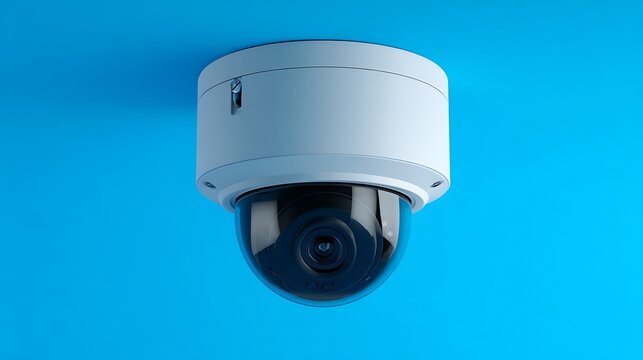
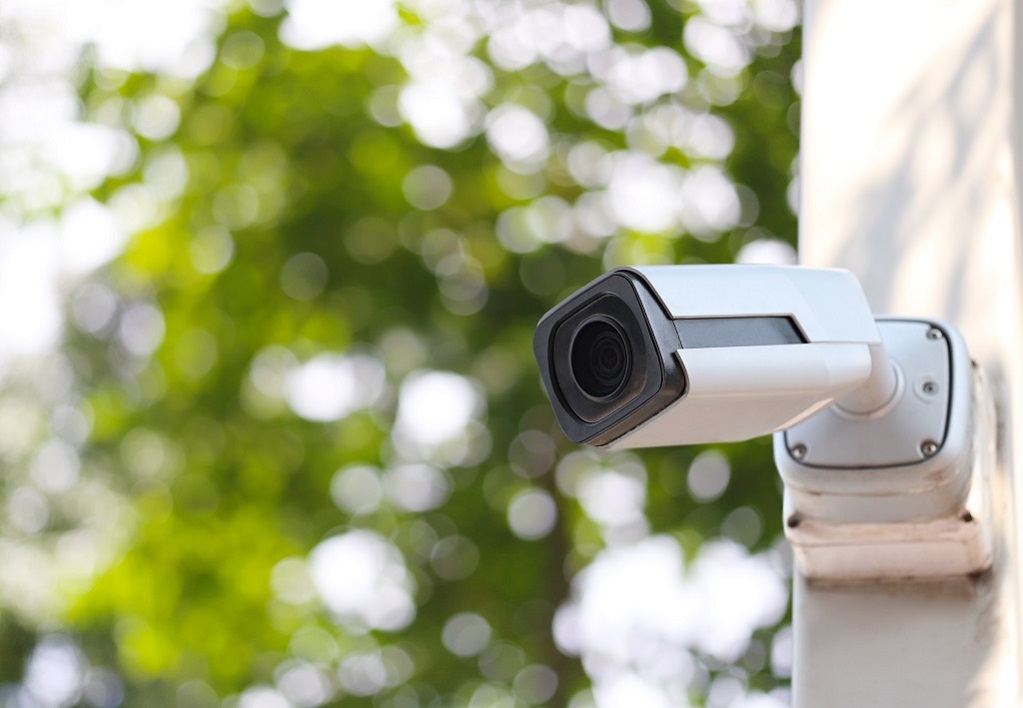

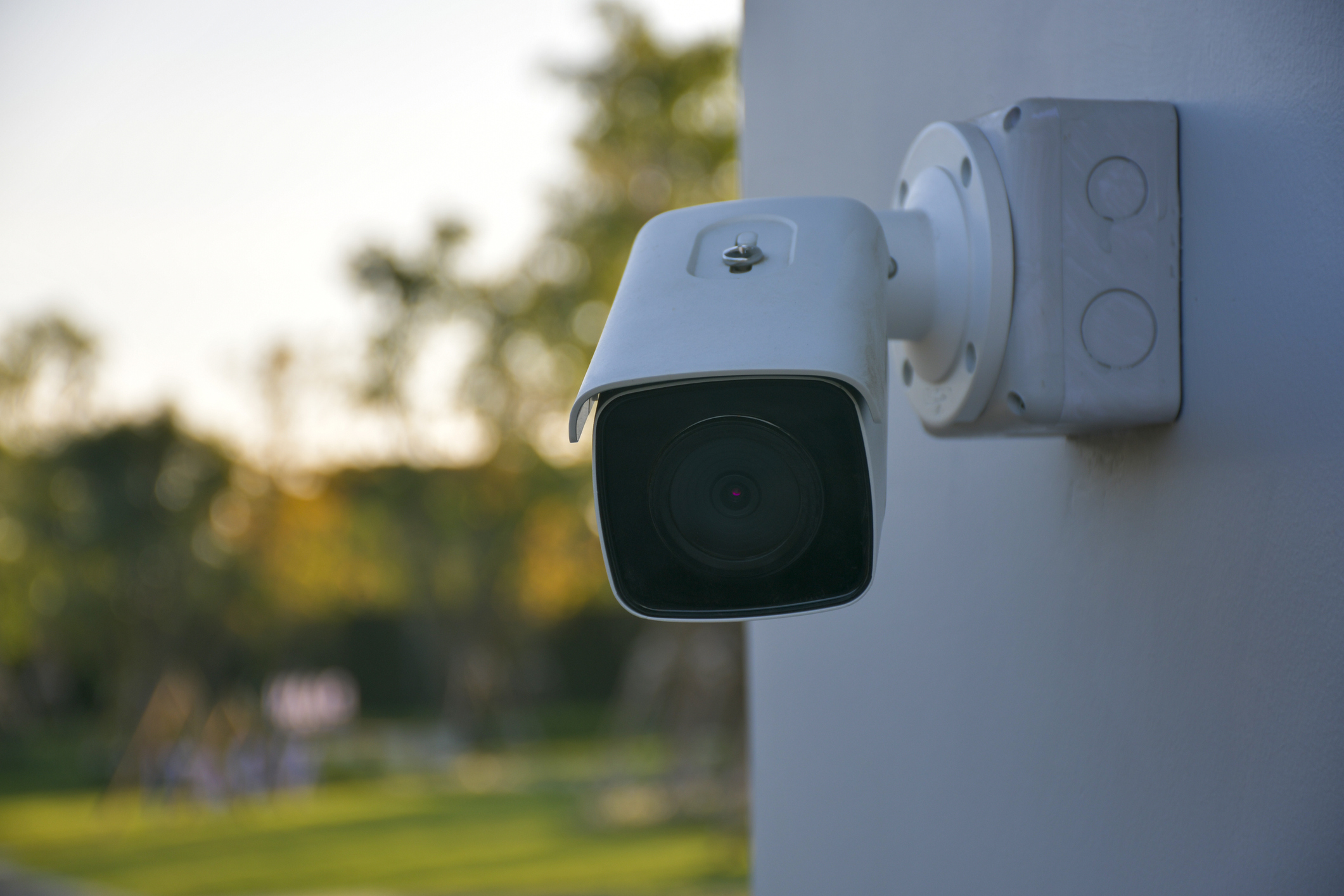
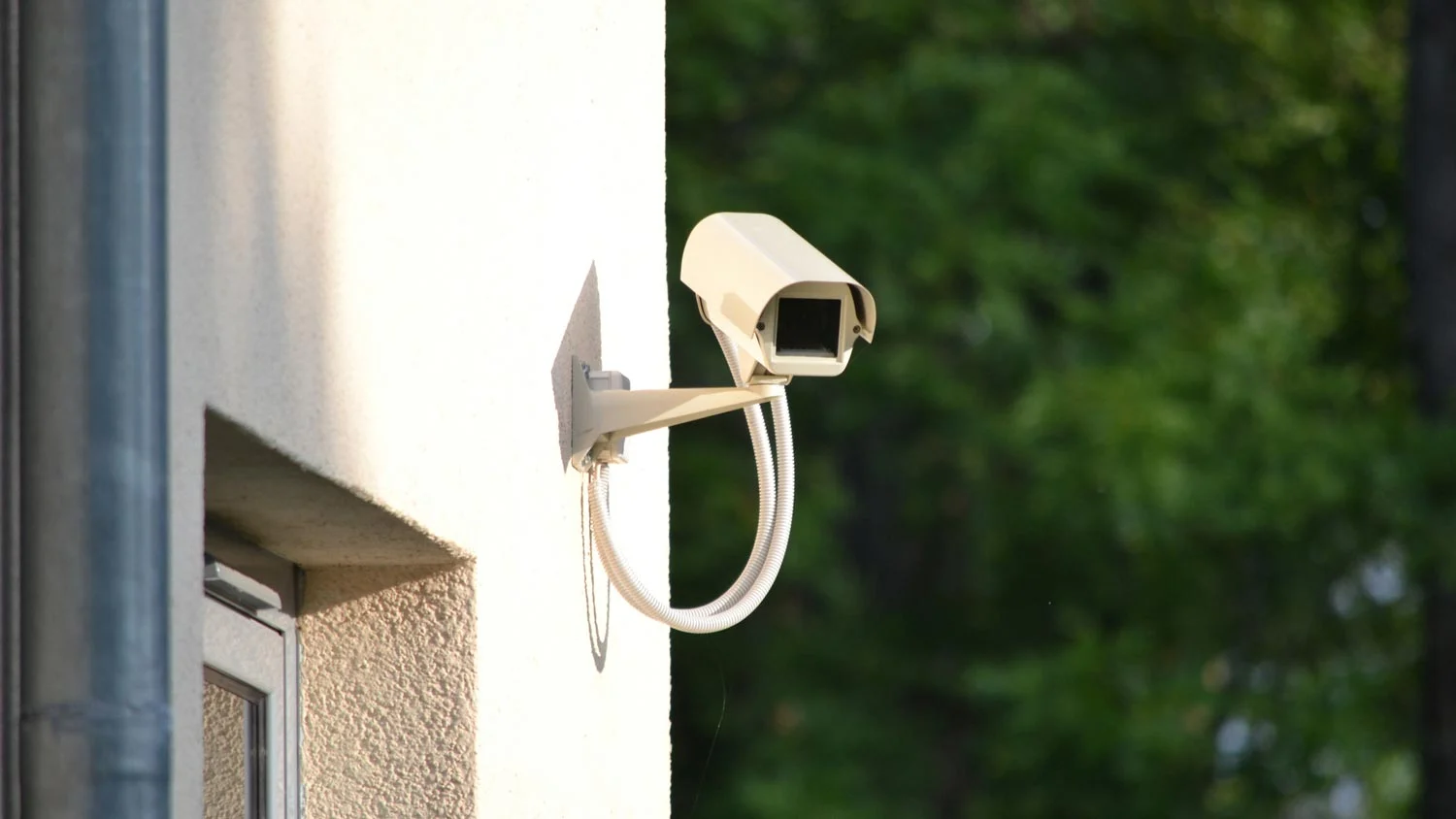
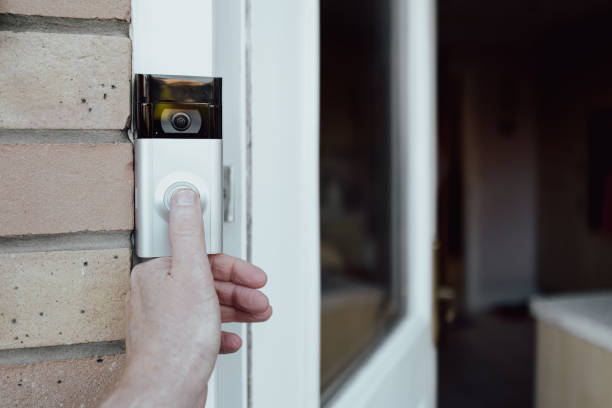

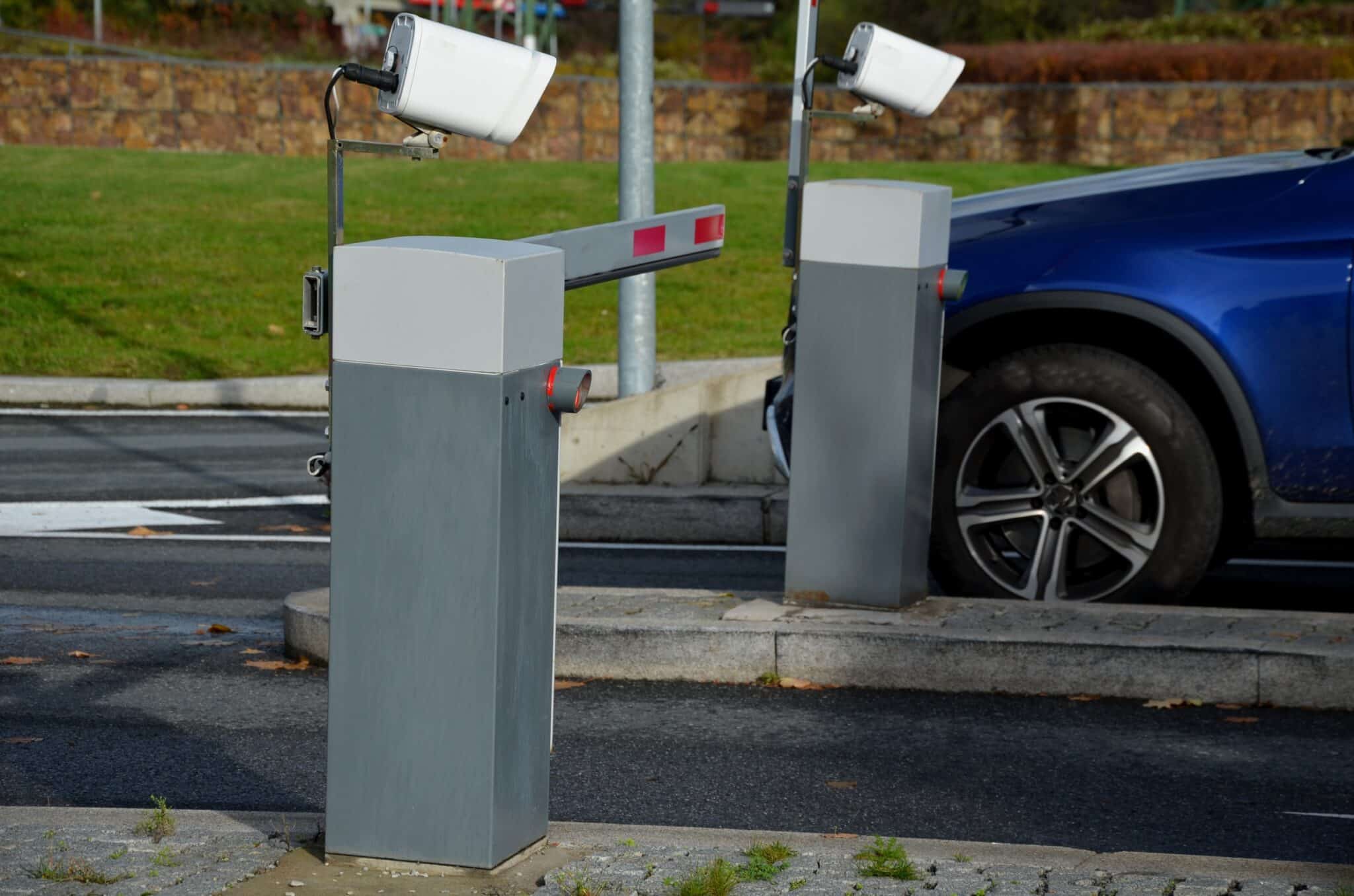
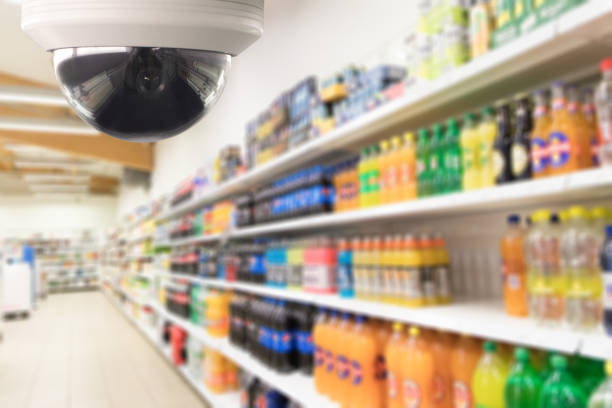
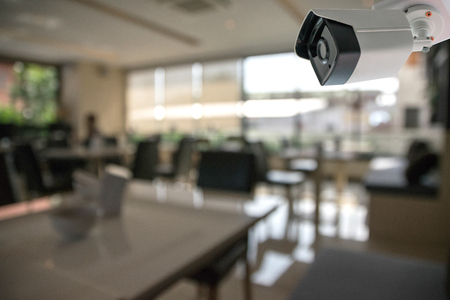
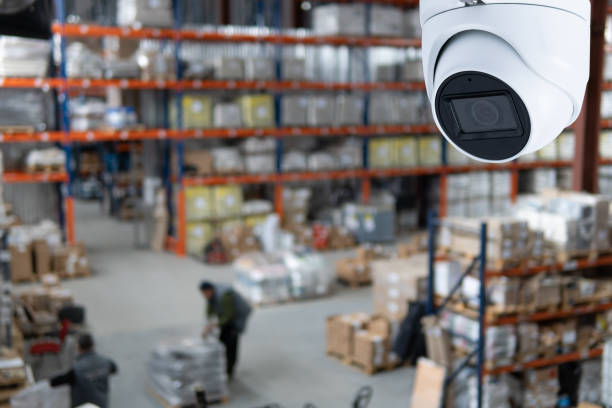
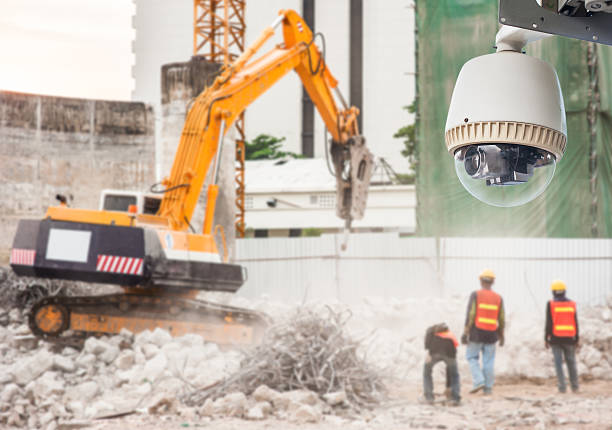
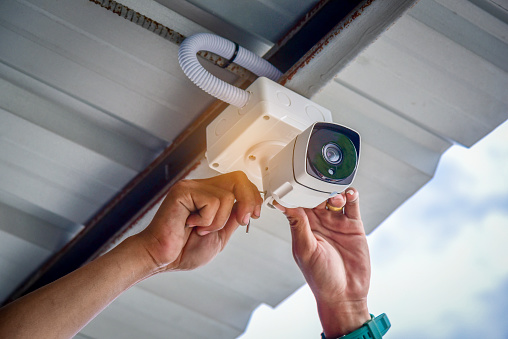
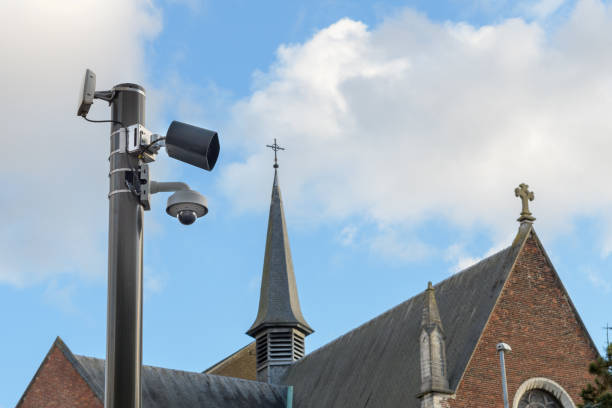
In summary, mobile surveillance units equipped with advanced motion detection capabilities offer a robust solution for proactive security measures. By seamlessly integrating real-time alerts and precise motion sensing, these systems ensure that security personnel can swiftly respond to any suspicious activities. The cameras feature Night Vision for low-light conditions, and the system offers both Cloud and Local Storage options. Whether for commercial or residential purposes, the ability to monitor surroundings actively and receive instant notifications significantly enhances situational awareness and protection. As technology continues to evolve, the demand for such innovative surveillance solutions is set to increase, providing peace of mind and improved security management for all users.
frequently Asked Questions
Request a Free Quote
Get a fast, no-obligation quote customized to your security needs. Our experts are ready to help you protect your home or business.
- ✔ Free consultation
- ✔ Custom security solutions
- ✔ Residential & Commercial services