Smart Home Automation: Does the System Support Integration with Smart Home Platforms?
The role of a home assistant in smart home automation is substantial, as it acts as the central nervous system for modern smart homes. A home assistant not only facilitates the connection but also the control of disparate devices and services, thus harmonizing functions within the smart home ecosystem. When a smart home assistant integrates seamlessly with thousands of different devices, it underscores the capacity of modern systems to ensure comprehensive control, enhancing the user experience. Many homeowners opt for systems that provide open-source solutions, like Home Assistant, to ensure flexibility and customization. The open nature of such systems means they are not restricted to proprietary products but extend support to a range of third-party products, thus broadening integration options. This ability to deliver robust integration without locking users into specific brands is essential, allowing for greater personalization and adaptability to individual needs. Moreover, Home Assistant serves as a powerful tool for home integrators, enabling the simple integration of newly introduced smart products with existing home networks. This adaptability is crucial, especially as the smart home market continues to expand exponentially, introducing a plethora of new devices regularly. A reliable smart home assistant supports compatibility across various smart devices, simplifying the automation process. Users find value in employing a system that doesn’t just integrate new technologies but also aligns seamlessly with future innovations and trends. This forward-thinking approach ensures that one’s smart home system remains current, avoiding obsolescence and the costs associated with frequent upgrades. In addition to broad compatibility, Home Assistant leverages a user-friendly interface, making it simpler for homeowners to manage their smart homes effectively. Users can enjoy intuitive control over lighting, security, climate, and entertainment systems, all through a centralized dashboard. Such control is not static but evolves with the homeowner’s routine, adapting to preferences and learning over time. Therefore, the role of the home assistant transcends basic operational support, emerging as a key element in achieving a truly interconnected and intelligent home environment. As smart homes continue to evolve, this dynamic integration support will undoubtedly remain pivotal to maximizing the potential of home automation systems.
Exploring Integration Options for Your Smart Home
As smart home technology advances, the ability of systems to integrate seamlessly with various platforms becomes a critical component of functionality and convenience. Homeowners are increasingly seeking solutions that ensure seamless connectivity among their devices, whether they use Google Home, Alexa Google, or any other systems. Integration options are myriad, and understanding them can empower homeowners to create a unified smart home ecosystem. This section delves into the essential integration features you should look for and how seamless connectivity between devices can be ensured to enhance the smart home experience.
The ever-expanding universe of smart home devices necessitates a robust system that supports diverse integration options. At the core of evaluating smart home systems is understanding the integration capabilities they offer. Primarily, look for systems that offer integration with major platforms like Google Home and Alexa Google, as these platforms provide a vast network of compatible devices and services. A high level of integration support ensures interoperability across various brands and device categories, ranging from lighting to security systems, enhancing the overall smart home experience.
One crucial aspect of integration is the system’s ability to support both current and emerging protocols, such as Matter support, which is quickly becoming a standard for connectivity in smart homes. Matter support allows for a higher level of interoperability between devices from different manufacturers, meaning that your smart home system is better positioned to adapt to new devices and technologies as they emerge, minimizing obsolescence and ensuring your investment is protected long-term.
Automation capabilities are another key feature that should not be overlooked. Integration is not just about connecting devices but enabling them to work together harmoniously. Look for systems that offer advanced automation solutions, allowing you to set up complex routines that control multiple devices simultaneously. A system with strong automation capabilities can significantly enhance convenience, providing personalized scenarios that adapt to your lifestyle, such as turning off lights, locking doors, and setting the security system when you say “Goodnight, Alexa.”
Additionally, pay attention to the system’s support for third-party extensions and APIs. A versatile system will often offer open integration options, allowing developers to create new functionalities and applications that expand the system’s capabilities. This openness fosters innovation and continuous improvement, ensuring your smart home can incorporate innovative solutions and remain at the cutting edge of technology.
Finally, consider the ease of use and user interface when evaluating integration features. A smart home system should be intuitive, with a well-designed app or dashboard that simplifies managing devices and integrations. This ensures that even those who might not be tech-savvy can effortlessly control and customize their smart home environment.
| Feature | Description | Benefits | Examples |
|---|---|---|---|
| Integration with Major Platforms | Ability to connect and work with leading smart home ecosystems. | Interoperability and wide device support. | Google Home, Alexa |
| Automation Capabilities | Enables automatic control of devices based on specific triggers or schedules. | Enhanced convenience and energy efficiency. | IFTTT, HomeKit routines |
| Third-Party Extensions | Support for additional applications and devices not originally part of the system. | Future-proofing and expanded functionality. | SmartThings, Matter support |
| Ease of Use | User-friendly interfaces and installation processes. | Seamless operation and increased user satisfaction. | Intuitive apps, voice assistants |
| Network Connectivity | Stable and fast communication between devices over a network. | Reliable performance and coverage. | Mesh networks, Wi-Fi 6 |
To ensure seamless connectivity between your smart home devices, consider implementing the following actionable tips:
- Use a single platform for device management to streamline communication and compatibility.
- Invest in devices supporting the latest communication standards like Zigbee or Z-Wave.
- Regularly update device firmware to enhance security and integration features.
- Position your Wi-Fi router centrally to maximize signal coverage throughout your home.
- Limit the number of devices per network to relieve bandwidth congestion.
- Utilize mesh Wi-Fi systems to eliminate dead zones and maintain connection stability.
- Check device interoperability listings before purchasing new smart gadgets.
- Set automation scenes to synchronize device actions based on time or activities.
Choosing the Right Smart Systems for Your Home
In the realm of smart home automation, choosing the right systems is crucial for creating a cohesive and seamlessly integrated environment. Evaluating compatibility with existing devices and infrastructures can significantly enhance your home automation experience. Additionally, selecting top smart devices designed to work harmoniously with your existing setup can elevate your home’s intelligence and efficiency. This section delves into how to assess the compatibility of smart systems with your current setup and explores the top smart devices poised to enhance your home automation journey.
When choosing smart systems for your home, evaluating compatibility with existing systems is a pivotal step. Compatibility ensures that new devices work seamlessly with current installations, enhancing your smart home’s overall efficiency. As smart technologies advance, finding systems that support integration with third-party products and services becomes increasingly important. This involves considering several factors, including the specific protocols and standards adopted by each system. The burgeoning support for Wi-Fi-enabled devices and their compatibility with popular platforms like Google Home or Alexa should be on your checklist. Opting for systems that offer broad support and interoperability, including compatibility with sensors and wifi devices, ensures that you don’t face any connectivity issues with your smart home. The compatibility of smart systems extends beyond mere device connectivity. It’s also about ensuring that automation routines can be personalized to meet individual preferences without creating conflicts. For instance, integrated systems should allow seamless control across different system types, such as lighting, security, and climate controls, all from a unified dashboard. This can only be accomplished when choosing smart systems that inherently support robust automation features and comprehensive control mechanisms. Moreover, compatibility encompasses systems’ potential to harmonize with emerging technologies. Systems that offer a degree of modularity allow homeowners to upgrade components as new innovations become available, thus future-proofing the smart home ecosystem. Addressing compatibility involves not just the devices you choose but also the infrastructure that links these devices together. A robust Wi-Fi network capable of handling multiple devices simultaneously is fundamental. It ensures uninterrupted control, facilitating rapid communication across systems and minimizing latency in executing smart commands. When selecting smart systems, prioritize those with proven track records of reliability and extensive support for third-party products. This will assure a smooth and adaptable smart home experience, as compatibility is not static but an evolving aspect of home technology.
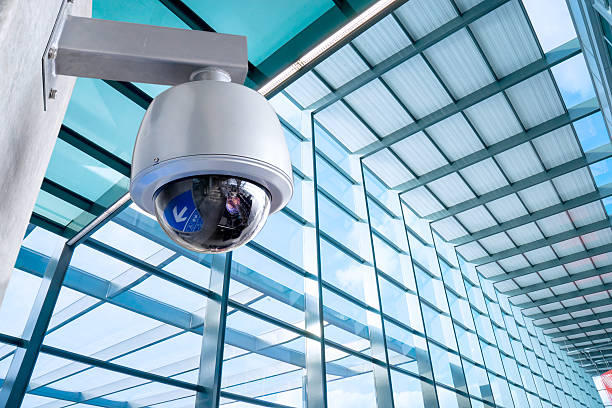
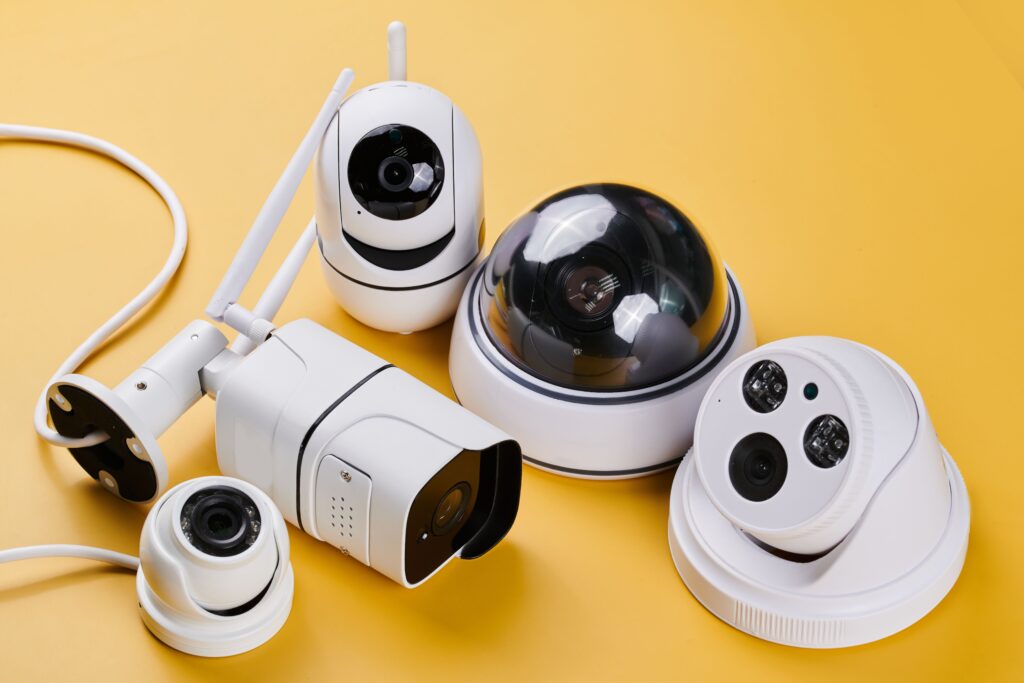
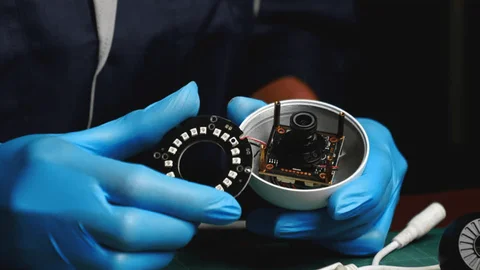
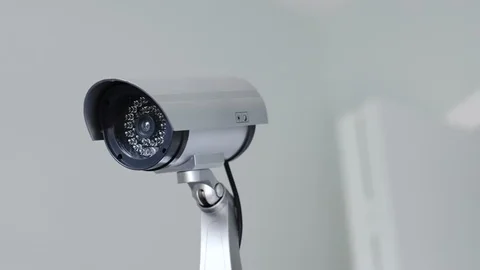
The integration of modern home automation systems has revolutionized the way we manage our living environments, offering practical applications that transform our daily routines into streamlined and automated experiences. One of the paramount benefits of home automation lies in the ability to control all aspects of your home environment with ease. From lighting and climate control to security and entertainment, these systems provide an all-encompassing approach to creating a more comfortable, efficient, and secure home. By employing these systems, homeowners can schedule routines, control devices remotely, and receive real-time alerts, transforming smart homes into intelligent living spaces that respond proactively to their needs.
Practical applications of smart home systems include the automation of daily tasks through pre-set routines, which are pivotal in enhancing home automation efficiency. For instance, homeowners can configure their systems to manage lighting based on the time of day, ensuring lights turn off automatically when not needed, thus conserving energy. Similarly, smart thermostats adjust heating and cooling based on occupancy and user preferences, optimizing energy use while maintaining optimal comfort levels. Security systems, integrated into the home automation network, provide peace of mind with advanced features such as remote monitoring, real-time alerts, and automation that responds to detected motion or security breaches.
Moreover, the implementation of practical applications in home automation is not limited to energy efficiency and security. It extends to lifestyle enhancements through integrated entertainment systems that synchronize with personal preferences, ensuring music, television, and interactive media cater to the individual’s or household’s unique tastes and schedules. This level of control and customization enhances the user experience, making everyday activities more enjoyable and less time-consuming.
Looking to the future, ongoing innovations promise to propel smart home automation systems into even more sophisticated realms. With emerging technologies like artificial intelligence and machine learning, smart systems are set to become more intuitive. They will predict user preferences and make recommendations, adapting dynamically to patterns in behavior and environmental changes. Future innovations such as smart home devices with voice and facial recognition capabilities are on the horizon, offering even more seamless integration and a personalized user experience. Additionally, the development of Matter protocol and other connectivity standards will further enhance device interoperability, allowing disparate systems to work in harmony, unconfined by brand limitations.
As these technologies evolve, the potential for integration within smart homes grows exponentially. The advent of these innovations promises to address current limitations and introduce levels of functionality that will redefine home automation. The combination of practical applications today with the anticipation of future innovations will not only enhance existing home automation systems but also create smarter, more responsive homes that continue to evolve alongside technological advancements. The pursuit of these enhancements ensures that homeowners can enjoy an enriched lifestyle tailored precisely to their needs, all while staying on the cutting edge of the smart home evolution.
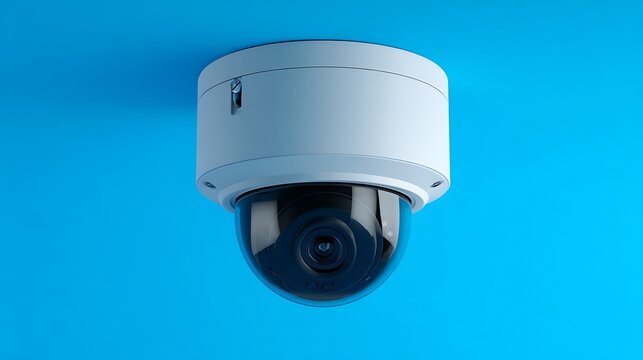


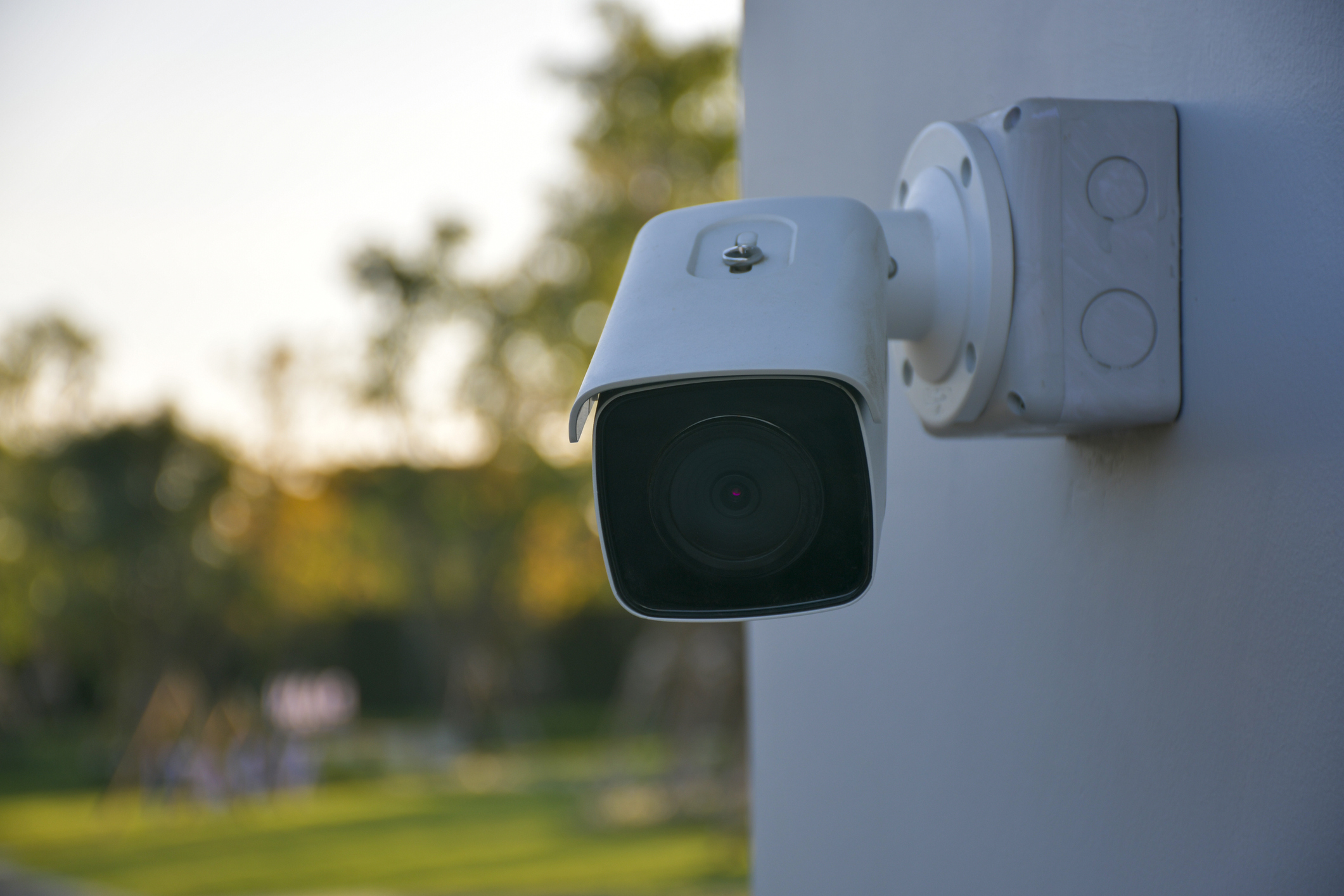
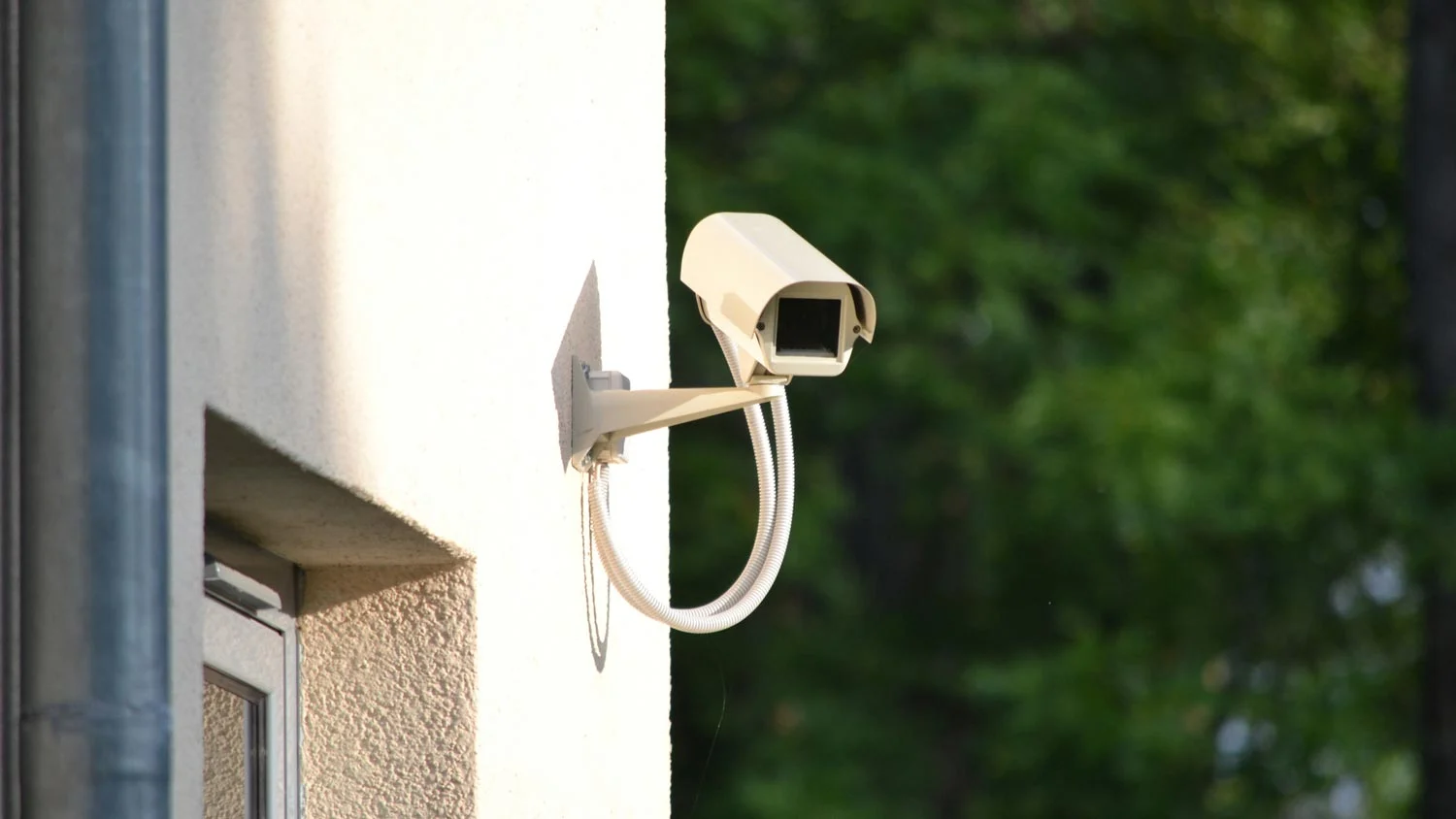
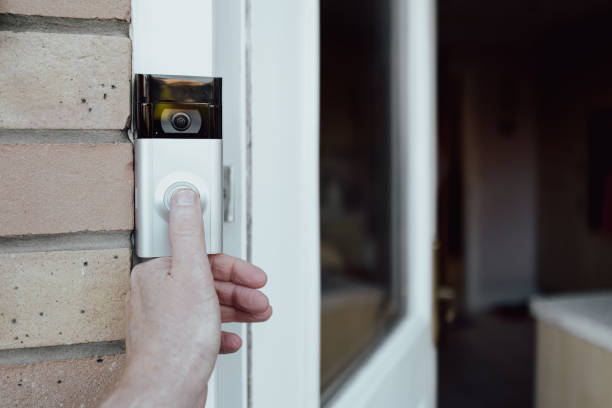




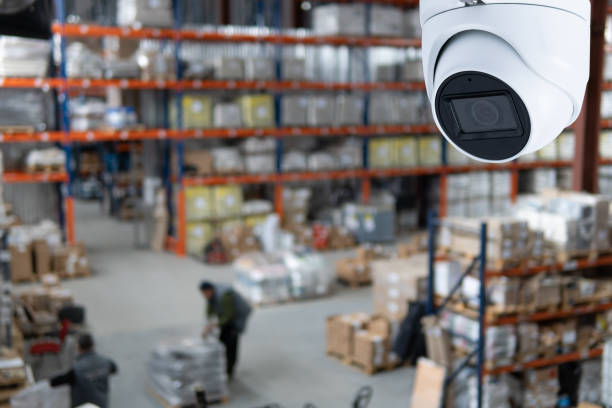
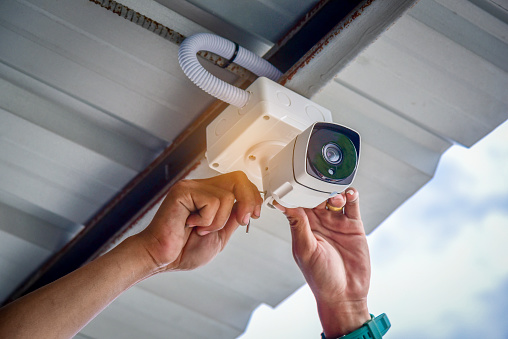



Incorporating advanced security camera systems into your Riverside home, enhanced with smart home integration, provides unparalleled peace of mind and convenience. Seamlessly connect with platforms like Google Home, Alexa, and Apple HomeKit to monitor your property effortlessly. Whether it’s safeguarding against intrusions or monitoring daily activities, these intelligent solutions are designed to meet your unique security needs. By choosing professional installation services, you ensure optimal performance and reliability, allowing you to focus on what truly matters, keeping your home and loved ones safe. 4K High-Resolution recording is available, delivering crystal-clear video for maximum security. Reach out today to transform your home into a secure and smarter haven.
frequently Asked Questions
Request a Free Quote
Get a fast, no-obligation quote customized to your security needs. Our experts are ready to help you protect your home or business.
- ✔ Free consultation
- ✔ Custom security solutions
- ✔ Residential & Commercial services