Is 4K High-Resolution Recording Available from 1080p Input? Discover Quality 4K Recording Options
Upscaling from 1080p to 4K involves significant technical challenges, primarily because the original input’s resolution limits the output’s potential quality. While upscaling algorithms aim to fill the gaps, the resultant 4K might not meet true high-resolution standards. This question of enhancing pixel density without artifacts is central. Industry advancements in AI-enhanced upscaling, however, provide promising solutions, offering better clarity while maintaining recognizable quality. Nevertheless, achieving authentic 4K experiences remains a complex task requiring advanced processing techniques and substantial computational power.
Ensuring the Highest Quality in Video Conversion
Converting 1080p input to 4K resolution requires mastering specific techniques to ensure the highest quality. Key factors such as bitrate management and thorough understanding of re-encoding play crucial roles in elevating recording quality. As we explore these elements, we’ll discuss methods to optimize video quality and provide insights for achieving superior recording outcomes through advanced technology.
Comparing Video Files: 1080p vs 4K
When evaluating video files, the contrast between 1080p and 4K resolution offers intriguing insights into technological advancements. 4K video promises superior quality and detail, but it also presents challenges like increased file size and the need for higher bitrates. Understanding these differences can help determine the best resolution for varying uses, especially when considering the demands of digital media production.
Delving into 4K’s impact on video files, we find that higher resolution significantly increases file size, stretching storage and bandwidth limits. However, 4K video offers unmatched quality, capturing finer details essential for meticulous video projects. When using higher bitrates, video quality improves, sustaining clarity even in demanding scenarios. Consequently, investing in superior storage solutions and high-performance hardware becomes crucial to fully exploit 4K’s advantages.
Exploring 4K Video Recording Options
The leap to 4K video recording offers remarkable opportunities to capture life in unparalleled detail. This evolution requires careful consideration of tools like the camera and capture card, highlighting equipment’s vital role in achieving quality recording. We’ll delve into innovative techniques that ensure crisp video content, encompassing the full spectrum of 4K recording capabilities.
Capturing crisp video content in 4K demands leveraging high-performance tools such as modern cameras and advanced capture cards. Utilizing equipment that emphasizes higher bitrates and robust processing power is crucial. This ensures detail-rich visuals that truly bring out the enhanced resolution’s potential. Adopting techniques such as software-based enhancements and optimized capture settings can further elevate video quality, allowing 4K resolution to shine in its full glory. Investing in reliable capture cards tailored for 4K can bridge the gap between potential and reality, leading to superior recording outcomes that transform the viewer’s experience.
The Role of Audio in High-Quality 4K Videos
When shooting 4K videos, achieving the highest quality doesn’t solely depend on sharp, detailed visuals. Audio plays a significant role in crafting a compelling viewing experience. Balancing audio and video elements ensures clarity and immersion, crucial for maintaining quality. We’ll explore how a meticulous focus on audio can elevate 4K recordings, enhancing every frame’s impact.
Effectively balancing audio and video enhances the overall quality of a 4K recording. The clarity of audio supports the video by ensuring every spoken word and sound effect complements the visual brilliance of 4K. Seamless audio integration also prevents distractions, enabling the video quality to shine. By investing in high-quality microphones and ensuring superior sound editing practices, your video’s impact is greatly magnified. Communicating through both sight and sound, your 4K recordings can offer an immersive experience. Prioritizing audio quality ensures that high-resolution videos don’t just look phenomenal but sound exceptional, providing viewers with a comprehensive and engaging viewing journey.
Understanding compatibility in the context of 4K recording is crucial, especially when dealing with the myriad Android versions and devices. Android’s fragmentation means that not all devices can support 4K video seamlessly; compatibility often depends on specific OS updates and hardware capabilities. High-end smartphones generally boast better processing power, enabling higher-quality 4K recordings. When evaluating recording on other devices, it’s essential to consider their ability to handle the demands of 4K. From ensuring that recording apps are up-to-date to choosing devices with powerful GPUs, maximizing recording quality is a multifaceted task. Whether you’re using Android or another platform, knowing your device’s capabilities allows for more informed decisions and better video results.

Using a Teleprompter Effectively During 4K Video Recording
Integrating a teleprompter into your 4K video recording workflow can significantly enhance presentation quality and delivery. As video content evolves with 4K resolution, maintaining a sharp output while narrating seamlessly is essential. We’ll explore how using teleprompter tools not only improves presentation skills but also ensures that your video content stays on track, delivering top-notch quality throughout your recording session. Embrace the synergy between teleprompters and 4K recordings to elevate your content’s impact and professionalism.
Using a teleprompter during 4K recording can drastically enhance the quality of your presentation by allowing you to maintain direct eye contact with the camera. This connection boosts viewer engagement, translating into a more relatable and impactful delivery. Teleprompter tools streamline your script reading, helping avoid ad-libbing mishaps that could disrupt the flow of your video. Prioritizing a well-integrated teleprompter not only elevates the overall recording quality but ensures your message is conveyed with clarity and confidence, resonating profoundly with your audience.
| Benefits | 4K Video Integration | Impact on Delivery |
|---|---|---|
| Enhances presentation skills | Maintains video clarity | Aids in smooth script reading |
| Increases viewer engagement | Ensures sharp output | Prevents delivery disruptions |
| Boosts speaker confidence | Seamlessly integrates with recording setups | Ensures message clarity |

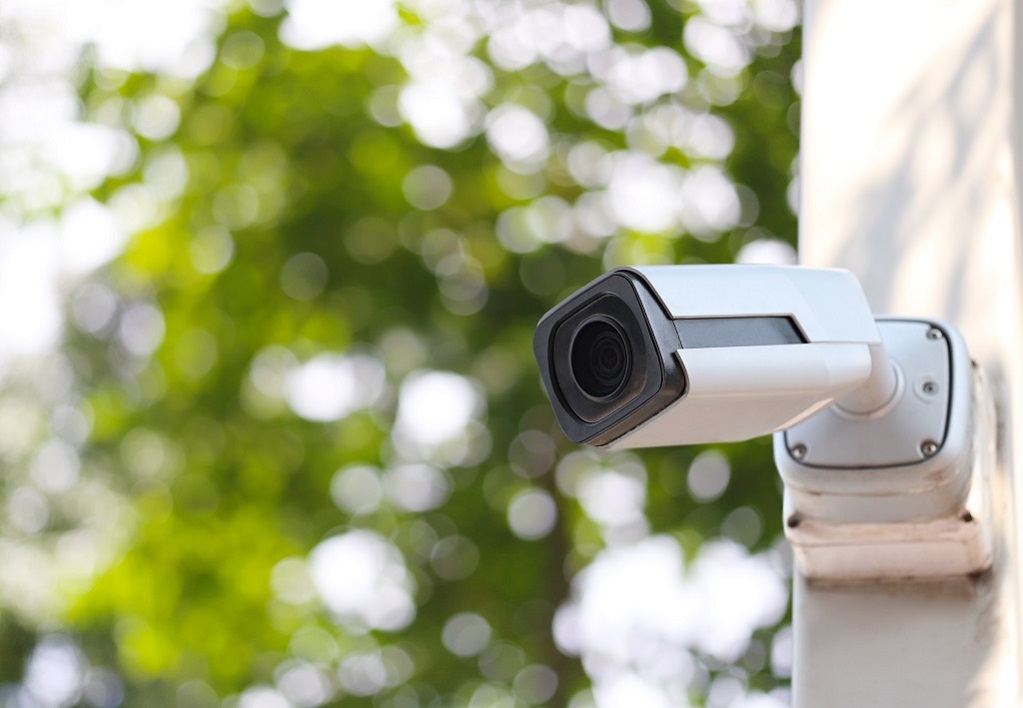

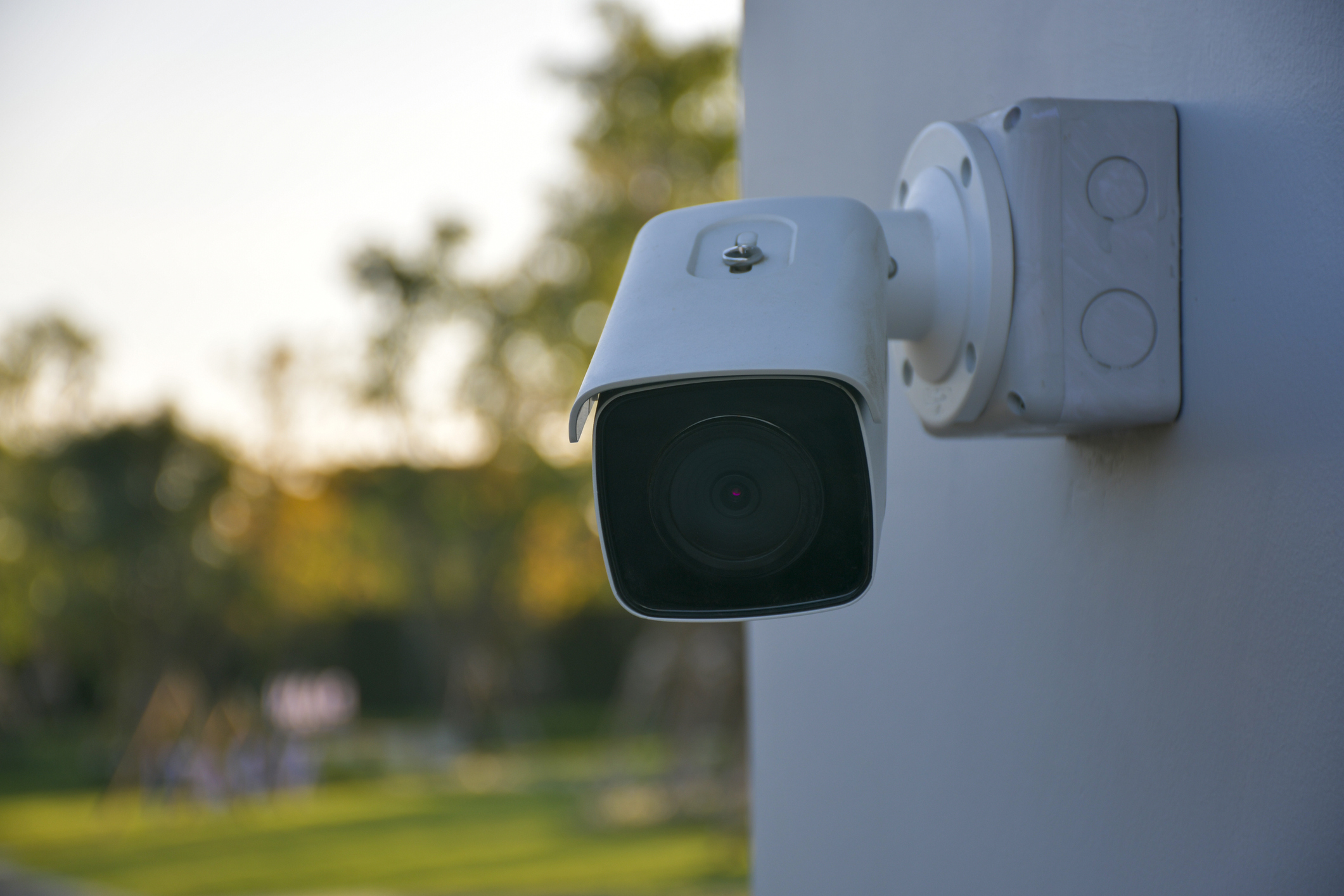







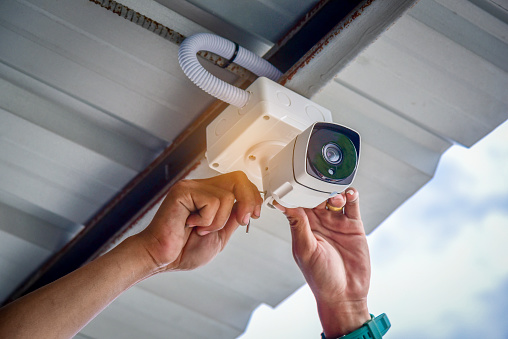


Embracing 4K technology in your camera and video setup can significantly enhance the clarity and vibrancy of your visual content. With the rise in popularity of ultra-high-definition displays and platforms supporting 4K streaming, investing in 4K capabilities not only future-proofs your setup but also elevates your productions to industry standards. Whether you’re a professional videographer or a hobbyist eager to explore higher fidelity, understanding and utilizing 4K recording can provide you with a competitive edge in delivering stunning, crisp imagery that captivates and engages your audience. Additionally, the cameras handle Two-Way Audio communication, and the system supports integration with Smart Home platforms, ensuring seamless interaction and smart connectivity within your environment.
frequently Asked Questions
Request a Free Quote
Get a fast, no-obligation quote customized to your security needs. Our experts are ready to help you protect your home or business.
- ✔ Free consultation
- ✔ Custom security solutions
- ✔ Residential & Commercial services