Night Vision Cameras: Do They Feature Night Vision for Low-Light Conditions?
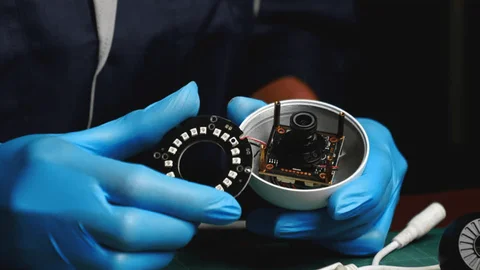
Night vision cameras leverage cutting-edge technology to function efficiently in low-light conditions. These low-light cameras feature specialized sensors that enhance image quality, even in minimal lighting. In essence, these systems are designed to amplify ambient light, whether it’s starlight, moonlight, or artificial sources, to create clear images. The cameras work by using a lens to focus light onto a special imaging sensor, converting the light into an electrical signal. This signal is then processed to produce an image that we can see, even in very low light. A crucial component of night vision cameras is their ability to utilize infrared light. Many cameras are equipped with infrared LEDs that emit invisible infrared illumination. This light is particularly valuable because it allows the cameras to capture images without needing visible light. As the infrared light bounces off objects and returns to the camera, the sensor converts it into a clear, visible image. This infrared illumination is what differentiates night vision cameras from standard low-light cameras. Moreover, these systems are designed to minimize the noise that often comes with low-light footage. They often employ noise reduction algorithms to filter out any grainy aspects, ensuring the captured image is clear and precise. Whether they’re used in CCTV setups or wildlife surveillance, these cameras prove invaluable in environments where lighting is limited. Understanding how these cameras work involves appreciating the intricate balance between optics and electronics that make capturing usable images possible in the darkest of settings.
Choosing the Right Night Vision Camera for Enhanced Security
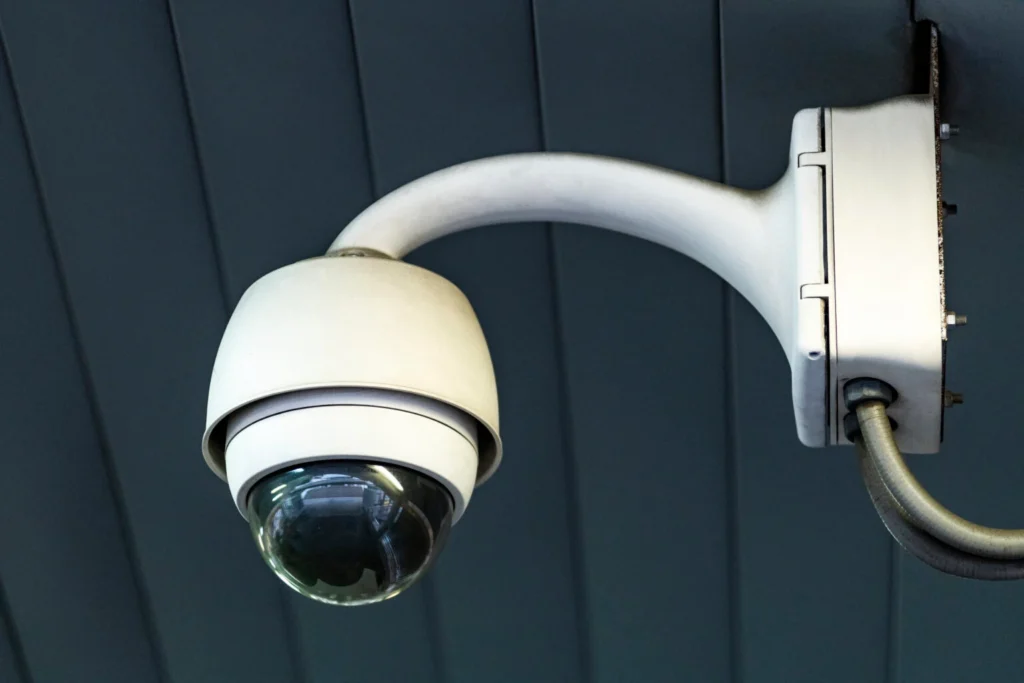
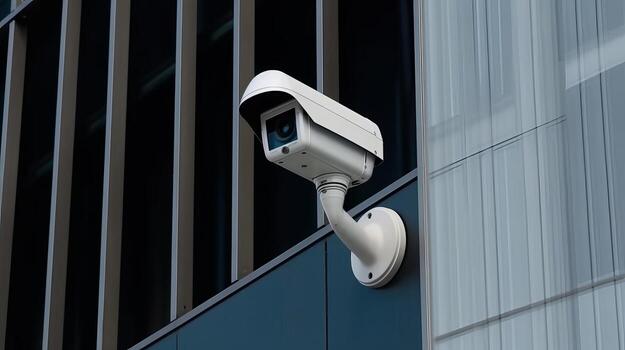
When it comes to ensuring your property’s security, selecting the appropriate night vision camera is crucial. These devices offer various features and technologies tailored to different surveillance needs. You’ll want to consider key features like infrared light capabilities and starlight sensors, which make them effective in low-light conditions. Starlight cameras, renowned for their superior light sensitivity, offer significant benefits over standard low-light security cameras. Choosing the right system ensures reliable performance and clear images, even in the most challenging environments. Consider your specific requirements to determine the best fit for your security infrastructure.
When evaluating night vision cameras for enhanced security, several key features should influence your decision. Firstly, the ability to effectively capture clear images in low-light conditions is a primary consideration. These cameras should possess the ability to amplify available ambient light. This is particularly important in areas where traditional lighting might not be practical or desired. Low-light night vision cameras typically use advanced sensor technology to enhance imaging, with some models integrating starlight technology. This feature ensures high sensitivity to minimal lighting, providing clear and detailed images even in near-darkness. Another crucial feature is the presence of infrared light illumination. Many night vision systems are equipped with infrared LEDs that emit invisible light, allowing them to operate discreetly. This technology is indispensable for capturing images without alerting potential intruders with visible light. The infrared capability should complement the low-light functionality, delivering unrestricted surveillance capability regardless of lighting conditions. Additionally, these cameras often include noise reduction algorithms to minimize the graininess usually associated with low-light footage, further enhancing image clarity. The field of view and lens quality are also vital features to consider. A wider field of view allows broader surveillance coverage, reducing the need for multiple cameras. Coupled with high-quality lenses, this feature ensures that the images remain sharp and focused. Advanced lenses help in maintaining image quality across the viewing spectrum, especially under low-light conditions. Other technical specifications, such as resolution and compatibility with existing security systems, should not be overlooked. Choosing a camera that integrates seamlessly with your current setup can save you future headaches related to operational inefficiencies. Understanding these critical features can guide you in selecting a night vision camera that meets your security needs without compromising on quality or functionality.
Starlight cameras offer numerous advantages that make them a compelling choice for security applications, particularly in environments with challenging lighting. These advanced cameras are designed to excel in low-light conditions by using sensors that are highly sensitive to light, enabling them to capture color night images with exceptional clarity. Unlike traditional infrared-based night vision cameras that often produce black and white images in darkness, starlight systems manage to retain vibrant color, even in dim settings. This capability ensures that users can discern details that might be missed with standard night vision technology, such as the exact colors of clothing or vehicles, which can be crucial in security incidents. The enhanced light sensitivity of starlight cameras is achieved through a combination of large aperture lenses and cutting-edge sensor technology, allowing them to capture more light than typical low light security cameras. This feature is particularly advantageous in urban settings where artificial light sources, like street lamps, provide just enough illumination to enable starlight cameras to work effectively without relying on additional infrared light. Furthermore, these cameras often incorporate effective noise reduction techniques to ensure that the resulting images are free from the graininess commonly associated with low-light video footage. Another significant advantage of starlight cameras is their versatility across different environments. Whether used in residential, commercial, or industrial settings, these cameras provide reliable performance. The ability to maintain clear, detailed imagery without additional lighting equipment makes them economical over the long term. As a result, starlight cameras are particularly well-suited for applications where it’s crucial to avoid the telltale illumination of typical security setups, thereby enhancing security stealthily and effectively. Choosing starlight cameras can elevate your security infrastructure by providing continuous surveillance that captures precise details regardless of lighting conditions. These cameras stand out due to their ability to deliver superior performance in low-light scenarios, a testament to the advancements in camera sensor technology. As night vision systems continue to evolve, the starlight camera’s role is becoming increasingly central to modern security strategies, offering unmatched clarity and dependability in safeguarding any property.
| Feature | Description | Advantages | Considerations |
|---|---|---|---|
| Infrared Light Capabilities | Enables visibility in complete darkness by illuminating areas with non-visible light. | Allows for clear images without alerting intruders, expanding surveillance reach. | May require regular maintenance to ensure infrared LEDs do not burn out. |
| Starlight Sensors | Utilizes highly sensitive sensors to capture detailed images in low-light conditions. | Provides high-quality color images in near darkness, enhancing recognition. | Performance can vary based on the sensor quality and ambient lighting conditions. |
| Noise Reduction | Minimizes visual noise in captured images to improve clarity. | Results in sharper images, crucial for accurate identification. | Effectiveness depends on the quality of the camera’s processing capabilities. |
| Starlight Camera Benefits | Combines infrared and starlight technology for superior night vision. | Ensures comprehensive imaging in various lighting scenarios, boosting security. | Higher initial cost; worth the investment for critical surveillance areas. |
Image Enhancement: Amplifying Low-Light and Low Light Conditions
Night vision cameras have dramatically changed the landscape of security and surveillance by allowing imaging in nearly complete darkness. As technology progresses, image enhancement becomes increasingly sophisticated, especially for capturing clear images in low-light and low light conditions. This section explores the role of advanced thermal imaging technologies and the impact of light camera innovations in delivering superior image quality, bolstering the effectiveness of night vision cameras in security systems.
Thermal imaging represents a powerful advancement in the field of night vision cameras, enabling these devices to detect anomalies and provide clear visual data under low-light conditions. This technology works differently from traditional low-light cameras, as it doesn’t rely on visible light but instead captures the heat emitted by objects. Infrared sensors within thermal cameras detect variations in temperature and convert them into images, ensuring that surveillance is effective even in complete darkness. The remarkable advantage of thermal imaging is its ability to view heat signatures, which can reveal concealed objects or individuals, making it indispensable for low-light security cameras and various security systems.
The efficiency of thermal imaging in night vision cameras lies in its sophisticated sensor technology. Cameras equipped with infrared sensors are designed to capture detailed images by interpreting the thermal energy that objects emit. These images provide a distinctive representation of the field of view, where differences in temperature create an outline of the object regardless of lighting conditions. This technology is particularly crucial for security operations in environments where traditional lighting would not suffice or might alert intruders, such as perimeter surveillance or remote area monitoring.
Furthermore, advancements in infrared LED technology have enhanced thermal imaging capabilities significantly. These LEDs emit powerful infrared light that is invisible to the naked eye but shines brightly in the sensor’s view, ensuring that night vision cameras yield highly dependable results. The integration of such advanced systems ensures that modern night vision cameras outperform their predecessors in delivering superior image quality and reliability across various applications. As the demand for efficient low-light solutions grows, the importance of thermal imaging in contemporary security setups continues to expand, providing a seamless viewing experience even under challenging conditions.
The advent of light camera innovations has revolutionized the capability of night vision cameras, delivering remarkable clarity and resolution even in minimal light. These advancements focus on enhancing the camera’s ability to capture images without relying solely on external illumination sources like infrared or visible light. Cutting-edge sensor technology in these cameras amplifies available ambient light, transforming what the human eye can’t perceive into clear visual content. By leveraging ultra-sensitive sensor technology, night vision cameras can operate effectively under low-light conditions, making them an integral addition to any security system.
Innovations such as low-light image processing algorithms are vital in refining the image quality captured by night vision cameras. These developments help reduce noise often associated with minimal lighting, enhancing the clarity and sharpness of images. The algorithms work by filtering out unnecessary data and focusing on critical visual elements, ensuring that even in near-darkness, the image captured is well-defined. This improvement in processing has made night vision cameras far more efficient, delivering crisp, clear images that maintain their integrity under various lighting challenges.
Moreover, lens technology has seen considerable advancements, with new coatings and materials improving the camera’s ability to capture low-light scenes. High-quality lenses can gather and focus more light onto the sensor, resulting in better image quality. Additionally, lenses with a wide aperture allow more light to enter the camera, which is crucial for producing detailed images in low-light scenarios. These improvements in lens technology are complemented by enhanced infrared light functionality, providing comprehensive surveillance capabilities.
As the scope of surveillance requirements continues to expand, the demand for reliable, high-performance night vision systems grows. Light camera innovations ensure that systems can adapt to various environments, from urban settings to remote locations, without compromising security. The integration of these advancements into night vision cameras fortifies their role as essential tools for modern surveillance, ensuring continuous, reliable monitoring in low-light environments. The commitment to improving these technologies signals a promising future for security and surveillance industries, where achieving superior performance and clarity in night vision remains a primary goal.
Why Low Light Security Cameras Matter
Low light security cameras are crucial for modern surveillance, especially in scenarios where lighting is minimal. They offer clear images even when lighting conditions are less than ideal, making them indispensable for various applications. The effectiveness of these cameras often depends on advanced technologies like infrared light and starlight cameras, which enhance image quality in darkness. As we dive into real-world scenarios, it’s clear that night vision cameras play a vital role in our safety and security systems, capturing clear details and providing reliable surveillance in low-light and nighttime environments.
Potential Future Advancements in Night Vision Camera Technology
- Enhanced AI-driven analytics for real-time threat detection: Advances in artificial intelligence could significantly improve the capabilities of night vision cameras by enabling them to analyze live footage and detect potential threats instantaneously. This would lead to quicker response times during security breaches and could be crucial in preventing incidents across various fields such as law enforcement, military operations, and private security.
- Greater integration with smart home security systems: As smart home technology continues to advance, night vision cameras could become an integral part of these systems, offering homeowners advanced night-time surveillance capabilities. This integration could allow for seamless control and monitoring through a unified platform, providing enhanced security and peace of mind.
- Improved energy efficiency and battery life for mobile units: Future night vision cameras could benefit from advancements in energy-efficient technologies, significantly extending battery life. This would make mobile surveillance units more viable for long-duration operations, such as in military or outdoor wildlife monitoring, where power sources are limited.
- More compact designs for discreet surveillance: Compact and miniaturized night vision cameras could be developed for discreet placement in both residential and commercial settings. This would provide an unobtrusive surveillance option, crucial for areas requiring low visibility of security devices, such as museums or private properties.
- Augmented reality interfaces for immersive monitoring experiences: Augmented reality could revolutionize the way security personnel interact with surveillance footage by overlaying critical data directly onto the live feed. This capability would allow for a more immersive and informed monitoring experience, improving situational awareness and decision-making in high-stakes environments.
- Expanded compatibility with other security devices: The future of night vision cameras could involve enhanced interoperability with a broad range of security devices, such as motion detectors, alarms, and access control systems. This ecosystem approach would create a more comprehensive security network, enabling robust and coordinated responses to security threats.
Thermal Imaging and Its Role in Enhanced Security
Thermal imaging has become a crucial component in enhancing security systems, offering an unparalleled ability to capture images in low-light conditions. This technology utilizes the heat emitted by objects to create visual data, making it particularly effective for night vision cameras. By focusing on the temperature differences in a scene, thermal imaging ensures that even in total darkness, the view is clear and actionable. In this context, we will explore how effectively detecting heat signatures plays a pivotal role in augmenting security through night vision systems.
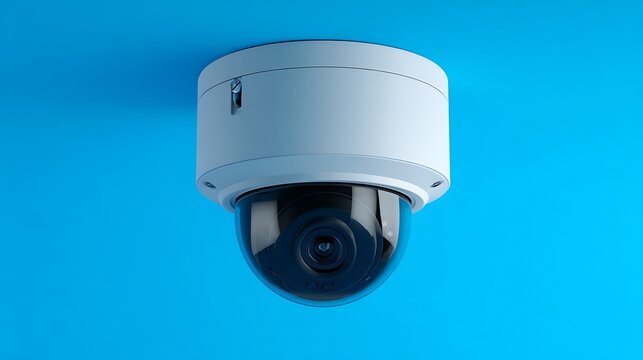
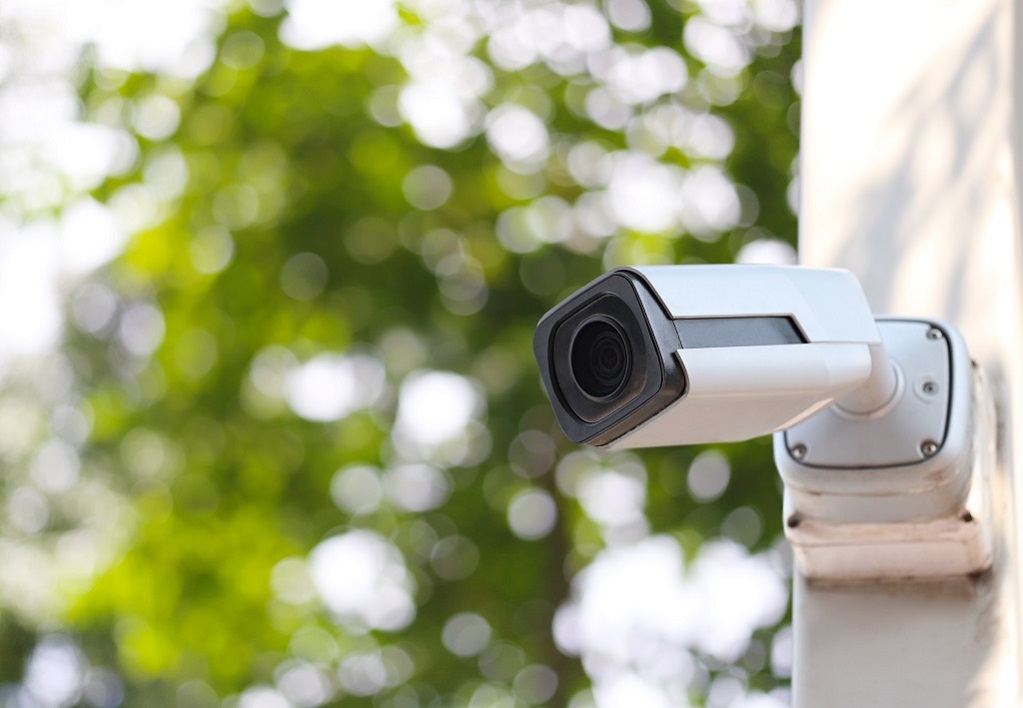

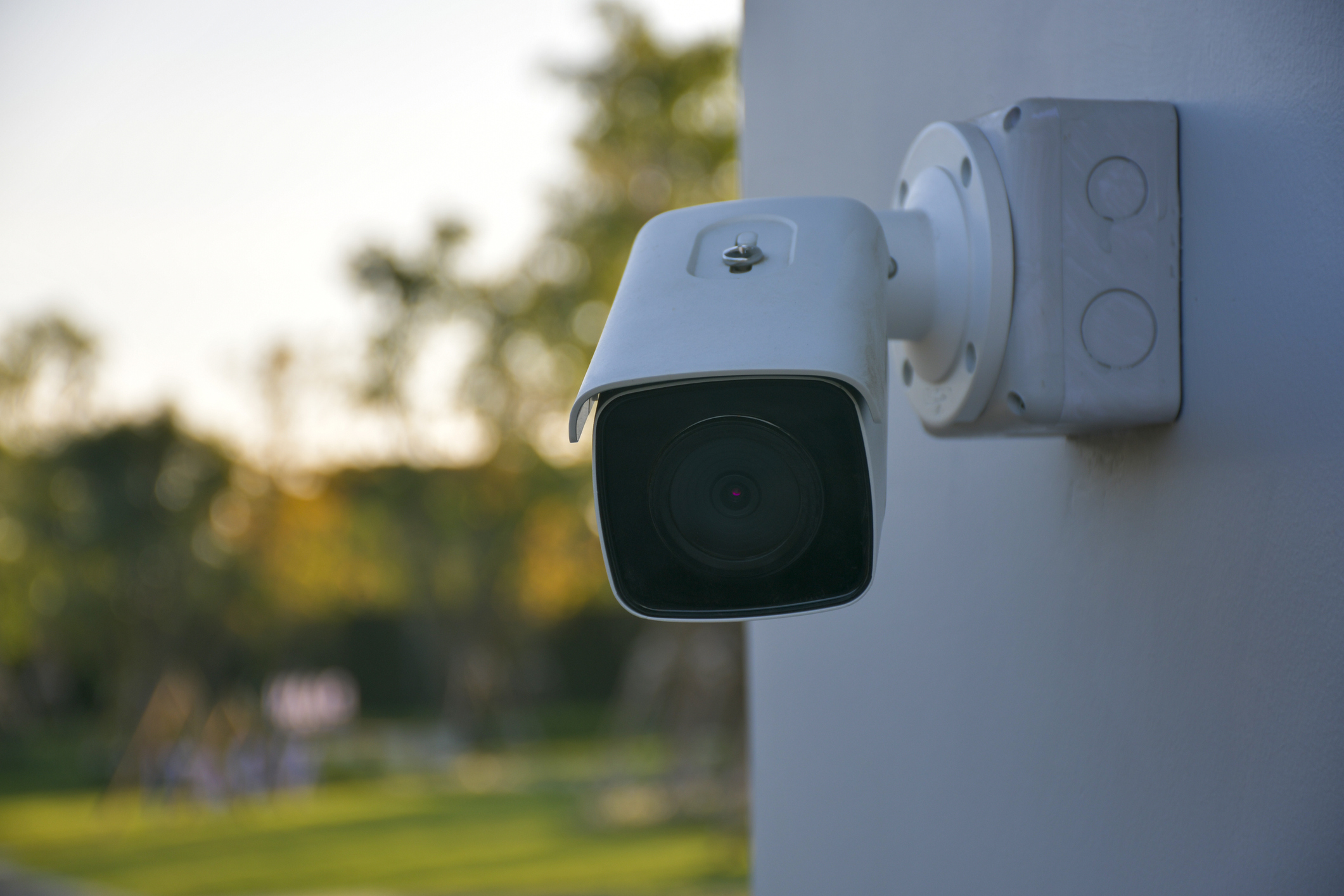
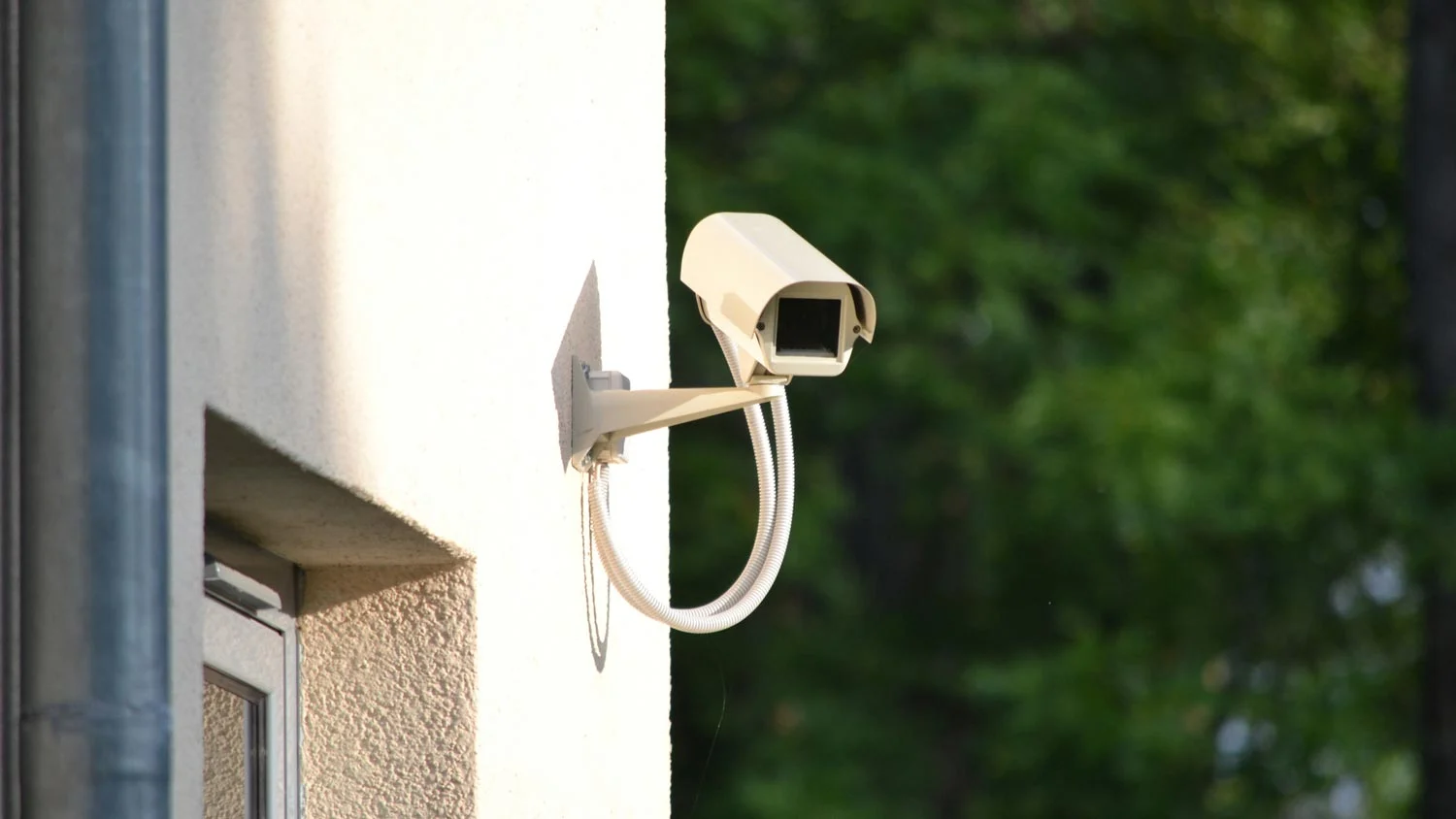
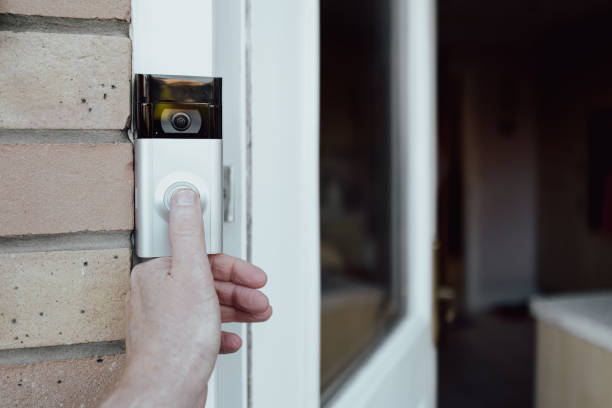

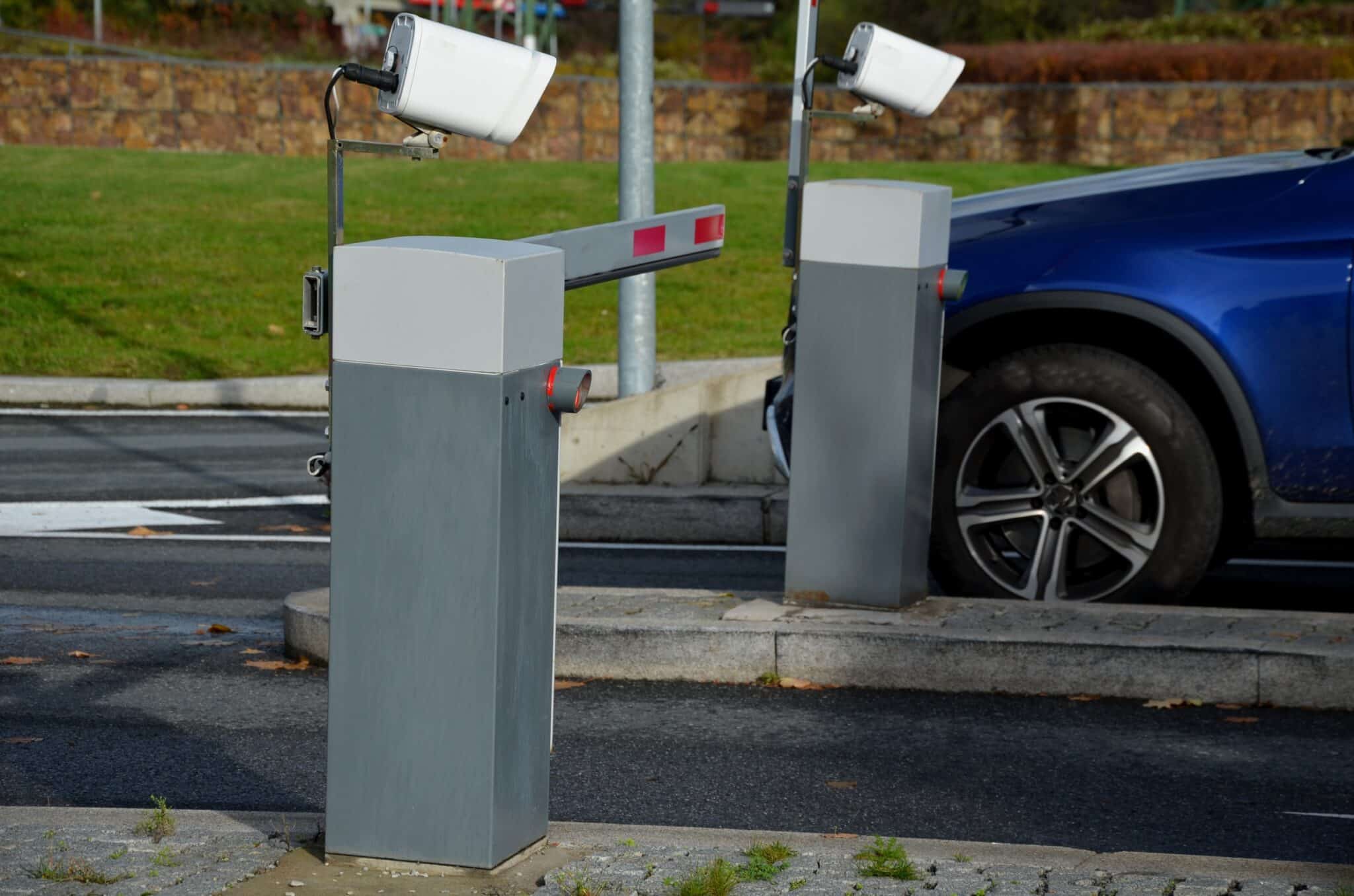
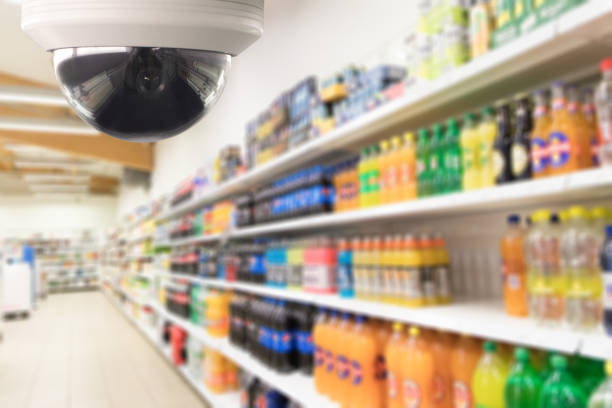
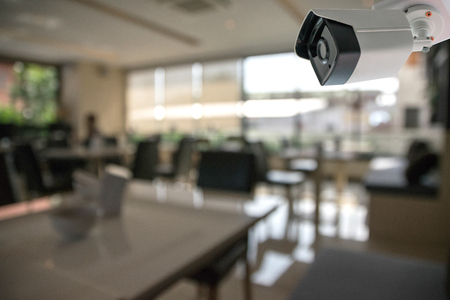
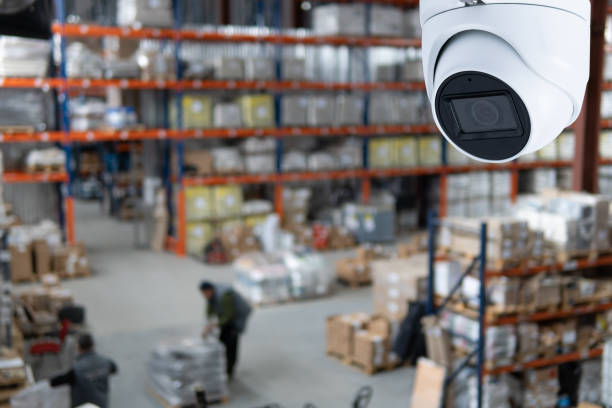
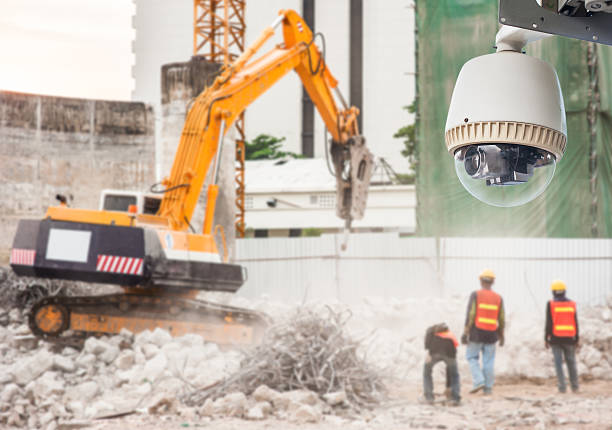
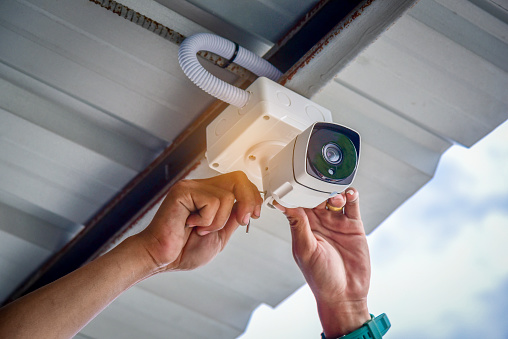
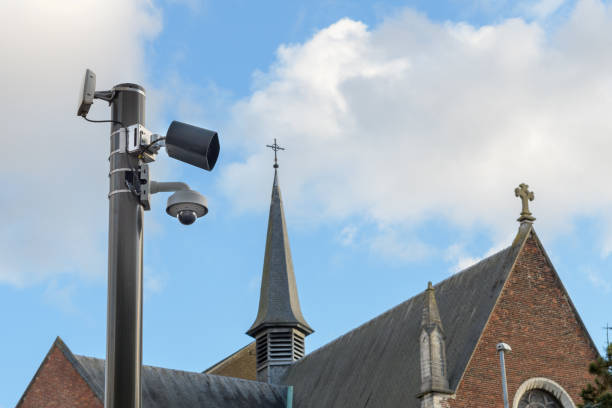
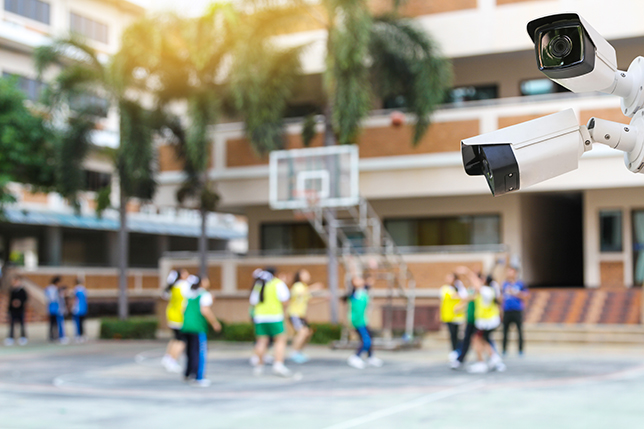
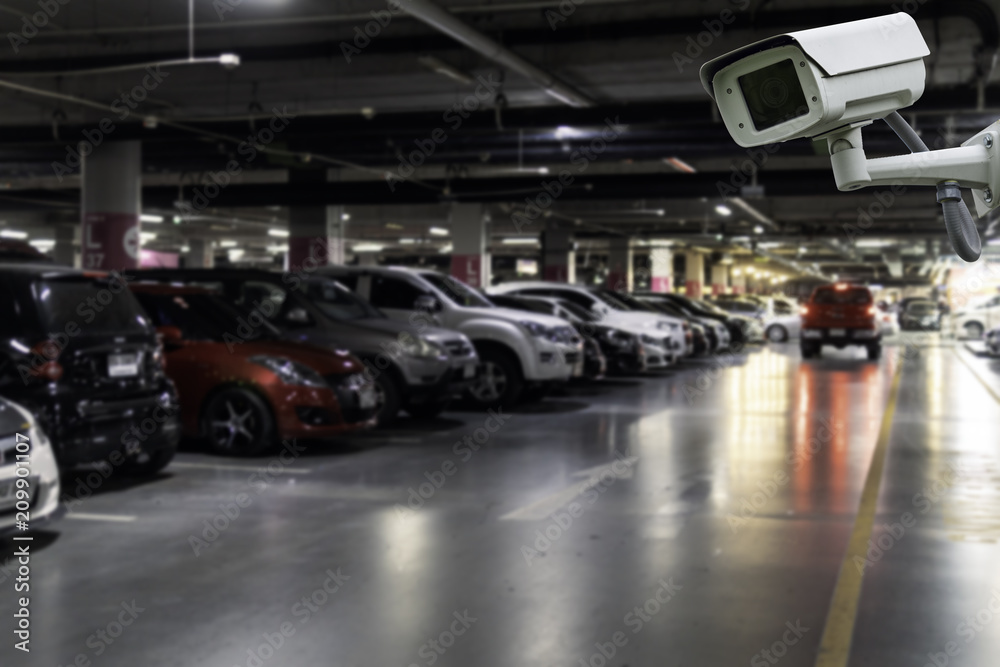
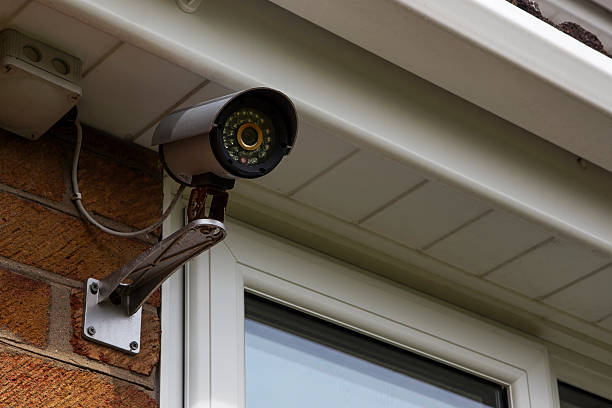
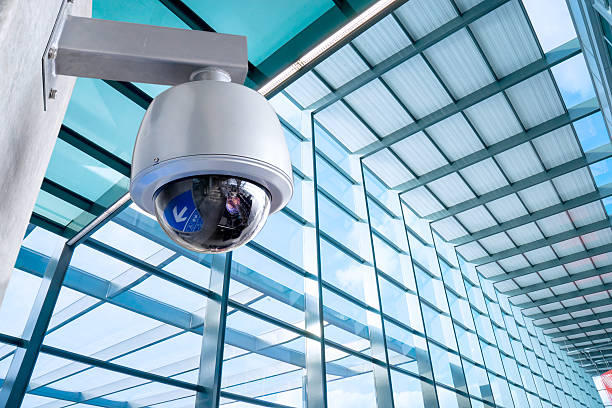
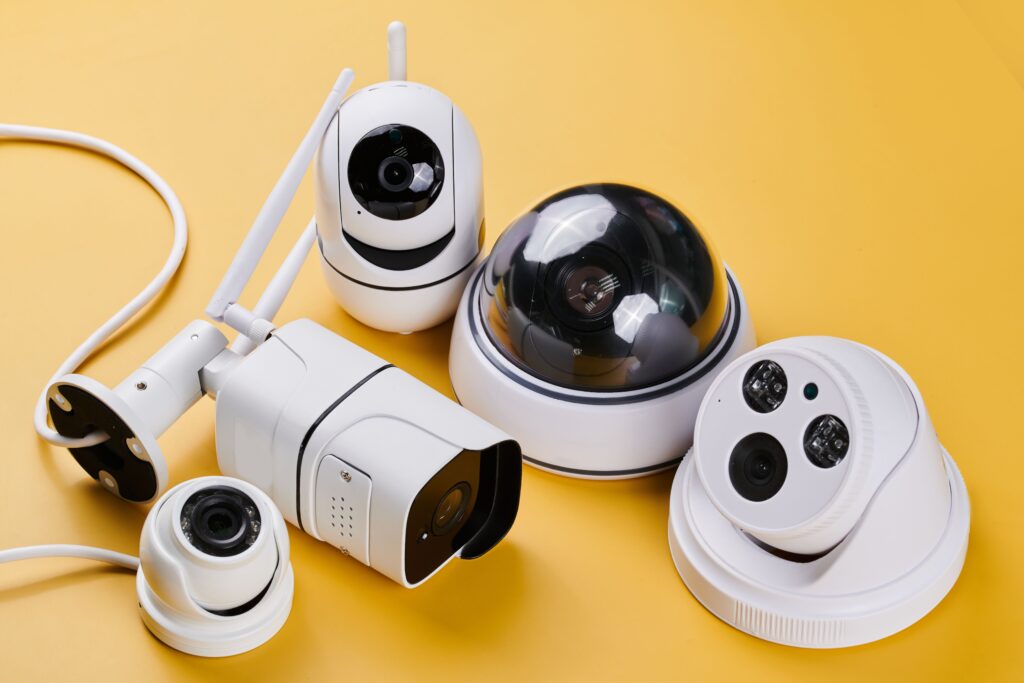
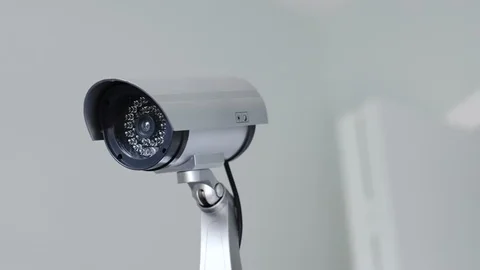
Our range of cameras equipped with cutting-edge night vision technology ensures reliable monitoring even in the darkest environments. Utilizing infrared LEDs, these cameras illuminate scenes invisible to the naked eye, capturing crisp video footage without alerting intruders. Their high sensitivity to low-light conditions ensures dependable coverage whether monitoring a dimly lit alley or a pitch-black room, delivering constant vigilance and peace of mind. This capability is essential across applications ranging from home security to wildlife observation, providing safety and protection around the clock. In addition, the system includes Remote Viewing and Mobile Access, along with built-in Motion Detection and real-time Alert notifications, allowing users to stay informed and in control anytime, anywhere.
frequently Asked Questions
Request a Free Quote
Get a fast, no-obligation quote customized to your security needs. Our experts are ready to help you protect your home or business.
- ✔ Free consultation
- ✔ Custom security solutions
- ✔ Residential & Commercial services