
License Plate Cameras in Riverside CA: Riverside County Increases Number of Cameras
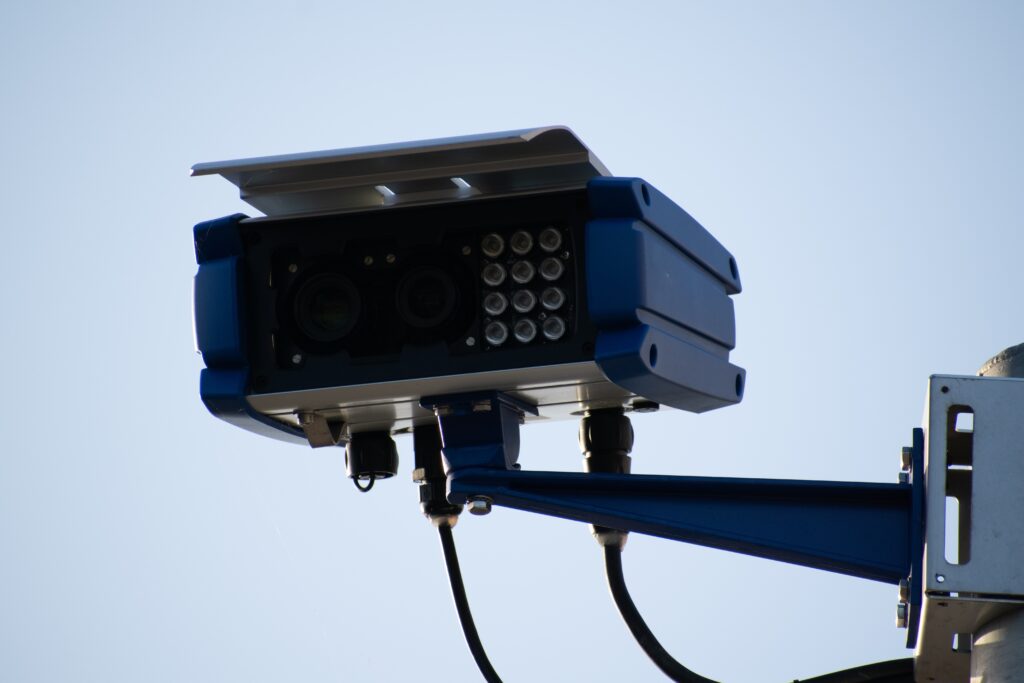
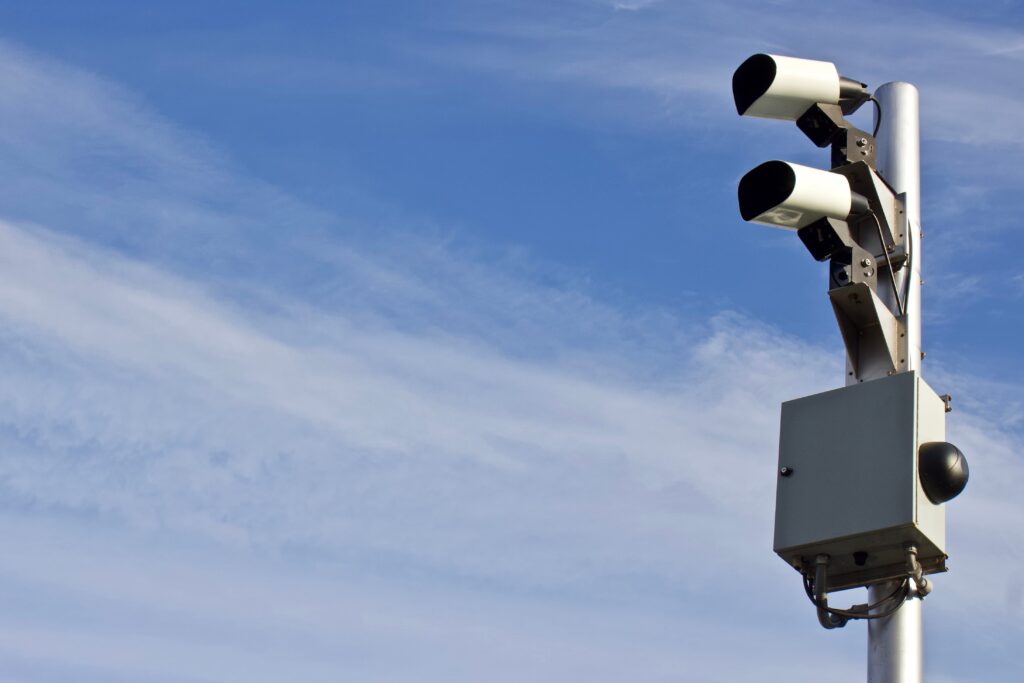
The deployment of license plate cameras in Riverside stems from a growing need to bolster public safety and improve traffic management within the county. As the region continues to grow, with its bustling cities and sprawling highway networks, law enforcement agencies have recognized the invaluable benefits that these cameras bring. The sheriff department and other local agencies utilize these advanced surveillance tools to monitor suspicious activities, ranging from tracking stolen vehicles to identifying drivers with outstanding warrants. With plate recognition technology, the sheriff can swiftly react to potential threats, enhancing their responsiveness and efficiency. In Riverside County, the increase in the number of license plate cameras allows law enforcement to gather valuable information that aids in criminal investigations and daily operations. These cameras serve as a critical component in the broader efforts to maintain the safety and security of residents. As more vehicles traverse the cities and highways, there is an undeniable demand for a robust surveillance system that can handle the volume and provide reliable data for quick decision-making. ALPR technology is pivotal not only for the sheriff department but also for enhancing inter-agency collaboration within Riverside. By sharing insights and data, agencies can effectively monitor travel patterns, reduce response times, and ultimately deter crime before it occurs. As Riverside embraces the future of surveillance, the county’s commitment to leveraging technology for public good highlights a progressive and community-focused strategy. The deployment of these cameras reflects a concerted effort to address the evolving challenges of urban living while preparing for unforeseen circumstances.
| Key Area | Benefits | Strategies | Impact on Community |
|---|---|---|---|
| Public Safety | Improved crime detection and deterrence | Deployment in high-risk areas | Enhanced sense of security among residents |
| Traffic Management | Efficient traffic flow | Real-time traffic monitoring | Reduced congestion and smoother commutes |
| Data Utilization | Informed decision-making | Integration with existing data systems | Increased resource allocation efficiency |
| Privacy Concerns | Data protection protocols | Regular audits and transparency | Maintained public trust and cooperation |
How License Plate Cameras Work
License plate cameras in Riverside, California employ sophisticated technology to capture and analyze plate data efficiently. These cameras, integrated with automated license plate reader (ALPR) technology, have been pivotal in enhancing the region’s security measures. The system utilizes advanced optical character recognition (OCR) to read and record license plates, helping law enforcement agencies track vehicles in real-time. As the use of plate readers grows, they address various needs such as identifying stolen vehicles and alerting officers to outstanding warrants. However, this technological advancement also brings significant discussions about privacy and data security.
The technology facilitating plate data collection in Riverside’s license plate cameras is intricate. At their core, these cameras use optical character recognition (OCR) to scan license plates, converting the image into alphanumeric data that can be quickly processed and stored. Flock Safety, a notable player in this field, has advanced the efficiency of these systems by integrating machine learning algorithms that enhance the accuracy and speed of data capture. This improvement ensures that the cameras operate effectively in various lighting and weather conditions, a critical factor in a state like California where environmental factors can vary widely. Once the plates are read, the information is transmitted to centralized databases where it’s cross-referenced with law enforcement databases, such as those managed by the state board or local sheriff departments. This cross-referencing allows for real-time alerts on stolen vehicles or individuals with outstanding warrants. The system’s capability to process vast amounts of data instantaneously helps law enforcement officials make informed decisions swiftly, enhancing their operational efficiency when it matters most. However, the technological prowess of these plate readers isn’t limited to mere identification. They also play a role in enhancing traffic management by providing insights into vehicle flow patterns. Through these insights, traffic agencies can develop strategies to alleviate congestion, affirming the multifunctional value of these license plate cameras. This facet of AI-driven, automated license plate recognition technology not only aids in crime prevention but also significantly contributes to the optimization of urban infrastructure in Riverside County.
Impact of License Plate Cameras on Riverside City
The deployment of license plate cameras in Riverside City has sparked varied reactions and a keen interest in understanding how it compares with other cities in California. As these plate recognition tools become more prevalent, the community weighs their potential benefits against privacy concerns. Examining public sentiment offers insight into the local mindset, while a comparative analysis with other cities reveals the unique aspects of Riverside’s approach to surveillance. Together, these perspectives highlight the broader impact of increasing the presence of license plate cameras across the county.
In Riverside, the introduction of license plate cameras has stirred a mosaic of community reactions, reflecting diverse perspectives on surveillance and privacy. The county’s decision to increase the number of these cameras, which play a pivotal role in enhancing public safety, has been met with both approval and skepticism. On one side, supporters argue that the visibility of license plate readers has effectively helped the sheriff department and other local agencies in reducing crime rates by identifying stolen vehicles and tracking individuals with outstanding warrants. Proponents often highlight the security benefits, advocating that these cameras deter crime and aid in the swift apprehension of offenders, thus creating a safer environment for residents. Conversely, there is a vocal contingent within the community concerned about the implications for privacy. Many residents express anxiety over constant surveillance and the potential for misuse of data collected by the cameras. These individuals urge the city to ensure stringent privacy measures are in place, emphasizing the need for transparency in data handling processes. This includes clear policies on who has access to the data, how long it’s retained, and for what purposes it can be utilized. Such concerns are amplified by the increasing number of data breaches globally that threaten personal privacy rights. Additionally, local advocacy groups have begun dialogues with city officials, pushing for regular audits and enhanced data security practices to protect citizens’ information. This dual narrative of safety versus privacy illustrates the complex landscape in which Riverside finds itself. While the pursuit of improved city safety is commendable, maintaining a balance with protecting individual freedoms remains a pressing issue. Through community forums and engagement sessions, Riverside aims to mediate these differing views, striving to foster a shared understanding that aligns technological advancements with public trust.
Given the proliferation of license plate cameras in Riverside, ensuring compliance with state and local regulations is paramount. In California, these regulations are particularly stringent due to the state’s robust legal framework governing surveillance and privacy. The deployment of license plate cameras must align with existing laws that aim to protect individuals while allowing law enforcement to effectively utilize new technology. Agencies such as the sheriff department are tasked with the challenge of integrating these systems in a manner that respects both the letter and spirit of the law. Key to compliance is understanding the intricate web of state board directives and local ordinances that dictate how the cameras collect, store, and report license plate information. California law mandates transparency in the use of surveillance technology, requiring that cameras adhere to strict guidelines concerning data access and retention. It’s essential for departments to regularly review these policies to ensure their operations remain within legal parameters. Additionally, collaboration among law enforcement agencies is crucial to maintaining a standardized approach to data handling, reducing the risk of violations that could undermine public trust. Implementation of license plate cameras also requires that agencies work closely with state regulators to keep abreast of evolving legal standards. This dynamic environment means that compliance isn’t a one-time effort but an ongoing process of adaptation and oversight. By fostering open communication with the community and involving stakeholders in discussions about surveillance practices, Riverside aims to ensure its surveillance initiatives are both legally sound and sensitive to public concerns. The challenge lies in striking the right balance between leveraging technology for public safety and adhering to the ethical obligations that protect individual freedoms.
The expansion of license plate cameras across Riverside County signifies a progressive step towards enhancing public safety and law enforcement efficiency. By strategically increasing the number of cameras, the county aims to not only deter crime but also expedite the process of identifying and prosecuting offenders. Residents and local businesses in Riverside can expect a safer environment as these advanced monitoring systems become integrated into the community. As technological advancements continue to evolve, Riverside County is committed to adopting innovative solutions that reinforce its dedication to protecting citizens while maintaining privacy standards and public trust.